
What is Liquid Based Microbiology?
Liquid Based Microbiology (LBM) standardizes the pre-analytical phase, the collection and transport steps that quietly shape every downstream result. By converting specimens into a uniform liquid, it improves recovery, enables culture and molecular testing from one collection, and lays the groundwork for automation and AI.
Estimated read time: 7-8 minutes
Key insights regarding LBM
- ● Flexible across specimen types: With devices for respiratory, stool, wound, skin, and other specimens, liquid-based workflows streamline specimen handling, simplify inventory, and lay the foundation for automation and AI-driven diagnostics.
- ● Standardizes an error-prone step: Turns microbiology specimens into uniform liquids, addressing one of the biggest sources of laboratory errors: inconsistent pre-analytical handling.
- ● Maximizes specimen yield: Flocked swabs, used as part of most LBM systems, release substantially more collected material than traditional fiber swabs, helping laboratories recover enough cells and organisms for reliable testing.
- ● Preserves viability for multiple assays: Liquid transport media keep a wide range of bacteria viable for long periods, and some maintain nucleic acid integrity, allowing the same specimen to be split for culture, Gram stain, rapid antigen, and molecular assays.*
- ● Improves detection and reduces repeat collection: Enhanced recovery and stability support more sensitive detection of pathogens and reduce the need for recollecting specimens, accelerating time to actionable results.
Table of Contents
- Rethinking Specimen Collection
- An Introduction to Liquid Based Microbiology (LBM)
- Pre-analytical Workflow
- From Solid Swabs to Liquid Precision
- Swab Type Matters
- Improving Detection and Diagnostic Yield
- Liquefying Challenging Specimens
- Why the Shift is Happening Now
- Pre-analytical Quality
- Tailored Devices for Diverse Specimens
- Setting the Foundation for Laboratory Modernization
- FAQ
- Continue the LBM 101 Series
- References
Rethinking Specimen Collection
Clinical laboratories continually strive to improve accuracy and turnaround time. Yet, the greatest source of diagnostic error lies before the specimen reaches an analyzer.
A recent study of laboratory quality indicators reports that between 46% and 68% of all errors occur during the pre-analytical phase, everything from patient preparation to specimen transport.1
These errors result from inconsistent collection, poor recovery of organisms, mislabeled specimens, and delays in transport. By introducing LBM into the process, laboratories can convert clinical specimens into standardized liquid suspensions.
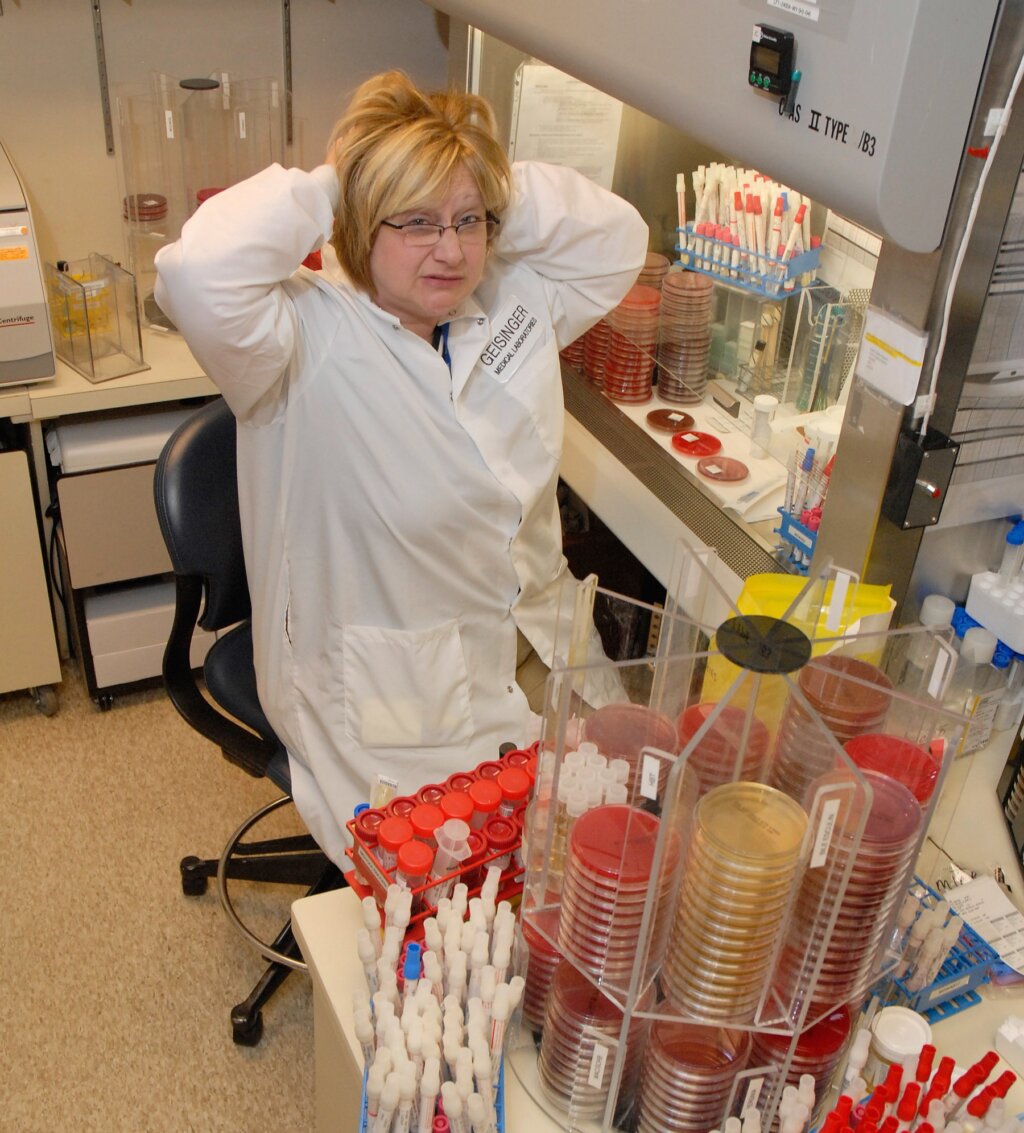
Workflow pressure starts before testing: specimen volume, plate handling, staffing constraints, and pre-analytical variability all shape downstream laboratory performance.
46%–68%
of total errors
Why the pre-analytical phase matters
A large share of laboratory error can happen before analysis begins. Liquid Based Microbiology helps address this vulnerable stage by converting clinical specimens into standardized liquid suspensions.1
An Introduction to Liquid Based Microbiology (LBM)
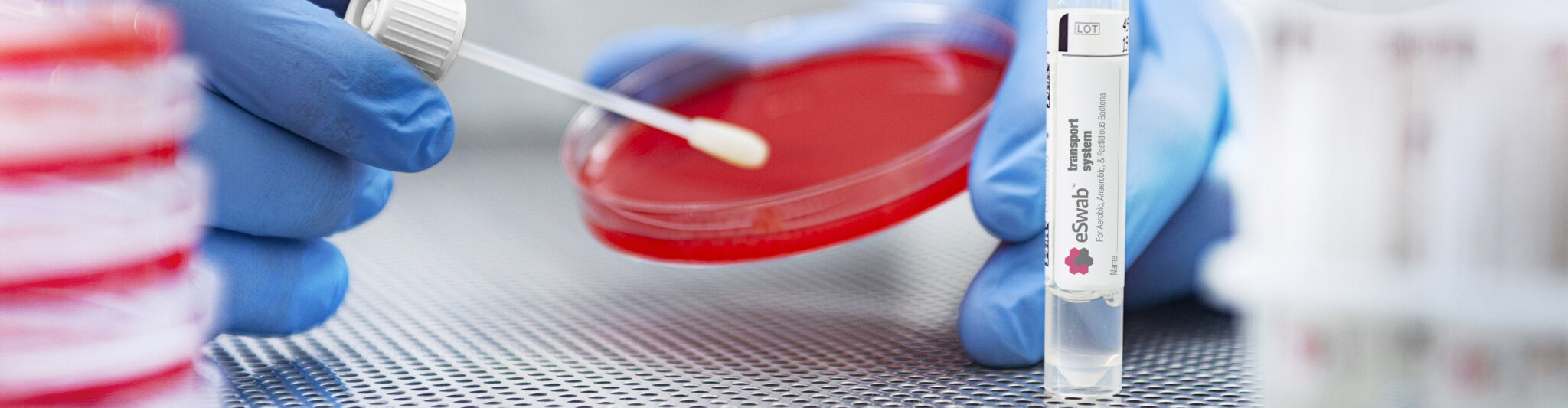
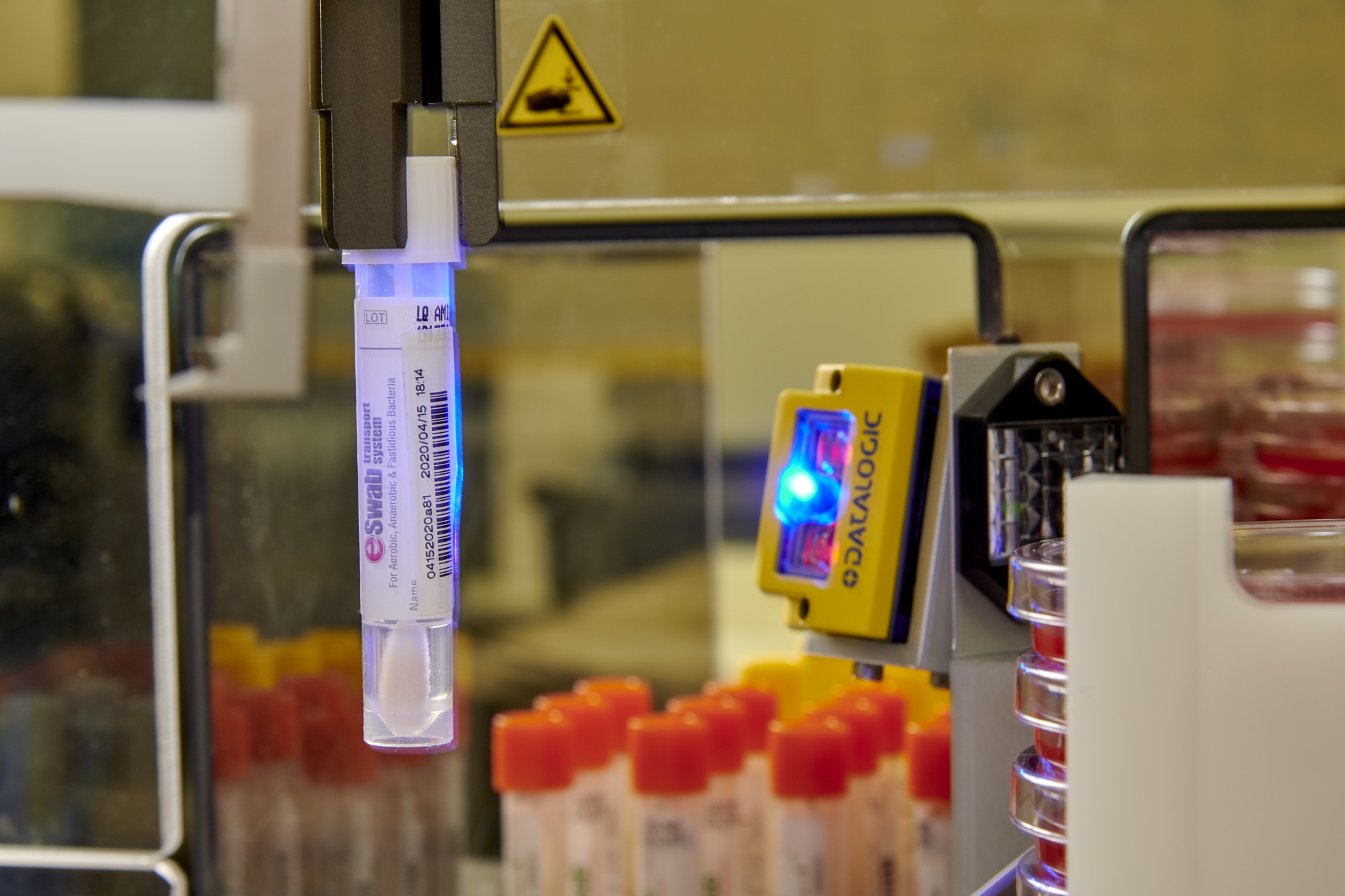
Liquid Based Microbiology in practice: ESwab® pairs FLOQSwabs® technology with Liquid Amies medium to support standardized collection, transport, and downstream processing.
In LBM, specimens are collected in a validated liquid transport medium, such as Liquid Amies or Cary-Blair.
Once in the laboratory, that liquid primary specimen can be aliquoted for multiple downstream methods, including culture, rapid antigen tests, and molecular assays. It can also be stored as needed and prepared for manual or automated workflows such as robotic plating, pipetting, and digital imaging.
Standardizing the specimen into a homogeneous liquid helps laboratories maintain consistency and supports the recovery of collected material.2
From collection to downstream assay readiness
Liquid Based Microbiology helps organize the earliest part of the microbiology workflow. Before culture, molecular testing, or digital analysis can begin, the specimen must be collected, transported, suspended, and prepared in a way that supports consistent downstream handling.
In practice, LBM functions as a pre-analytical readiness layer: it turns a collected specimen into a liquid format that can be mixed, aliquoted, plated, pipetted, or routed into manual and automated workflows.
Pre-analytical LBM workflow
Specimen collection using a fit-for-purpose device.
Collected material enters a validated liquid medium.
The specimen becomes easier to mix and aliquot.
Liquid specimens support plating, pipetting, and automated processing.
Next, the downstream assay: culture, rapid antigen, molecular, Gram stain, digital imaging, or other validated laboratory workflows.
From Solid Swabs to Liquid Precision
Collect more and elute more with the precise power of FLOQSwabs®
Traditional swabs, made up of materials such as cotton or rayon, trap the specimen within their core or matrix, limiting recovery of pathogens for testing.
In contrast, the innovative technology of FLOQSwabs® coats nylon fibers onto a plastic shaft, creating a velvet-like brush texture that releases collected material. Head-to-head comparisons show that flocked swabs elute over 90% of the collected specimen and yield approximately ten-fold greater recovery of aerobic and anaerobic bacteria than rayon-tipped swabs.3,4,5
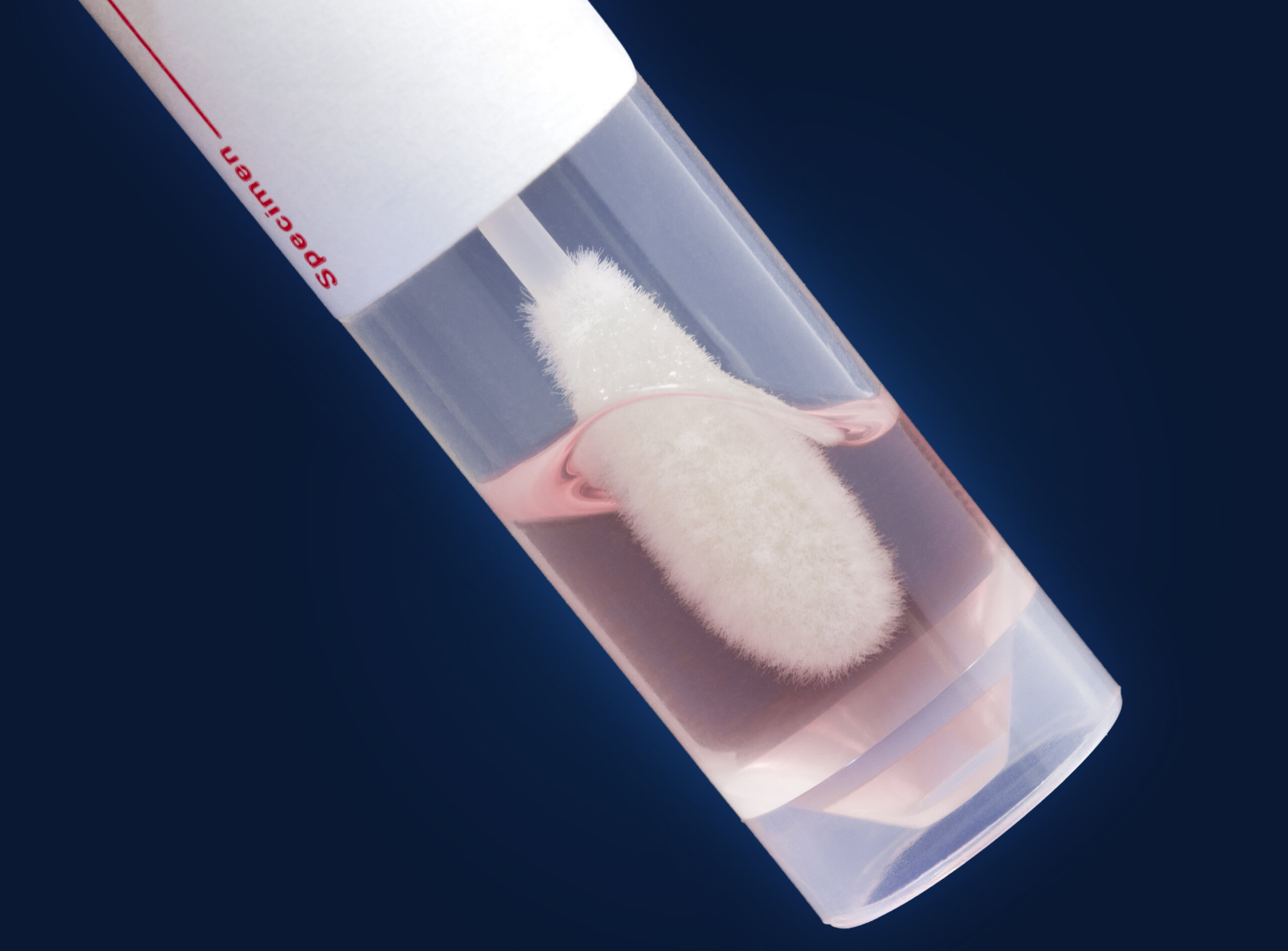
FLOQSwabs® specimen release
Flocked swab technology supports specimen uptake and release into liquid medium.
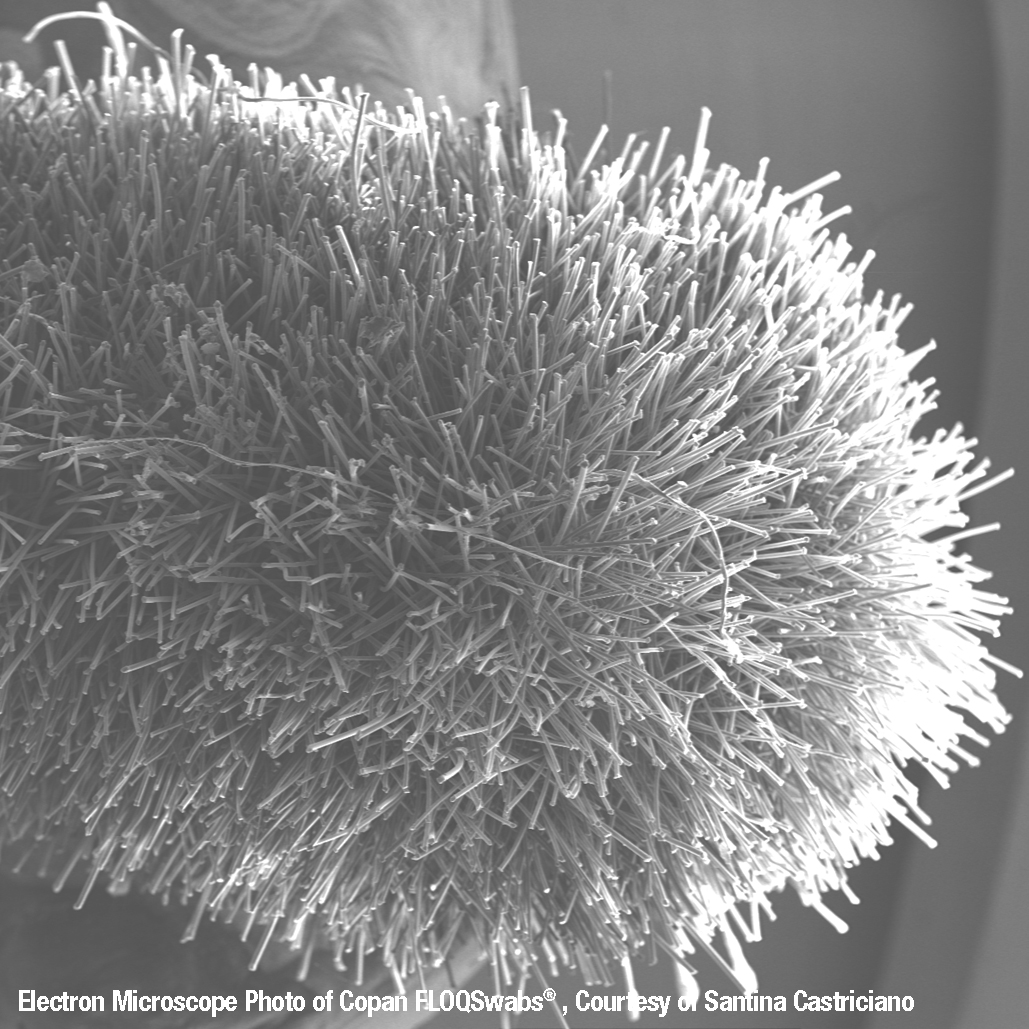
Magnified fiber structure
The flocked surface helps keep collected material close to the swab surface for elution.
Electron microscope image of Copan FLOQSwabs®, courtesy of Santina Castriciano.
When a flocked swab is placed into liquid transport medium, the specimen forms a homogeneous suspension, which allows precise aliquoting with calibrated pipettes, loops, or automated processors. For example, the Copan ESwab® system (Liquid Amies medium plus a flocked swab) provides enough volume to perform culture, Gram stain, rapid antigen tests, and molecular assays from a single collection. It also preserves aerobic, anaerobic, and fastidious bacteria for up to 48 hours at room or refrigerated temperatures, enabling transport from remote clinics without compromising viability.6,7
A Comparative Evaluation on Swab Types
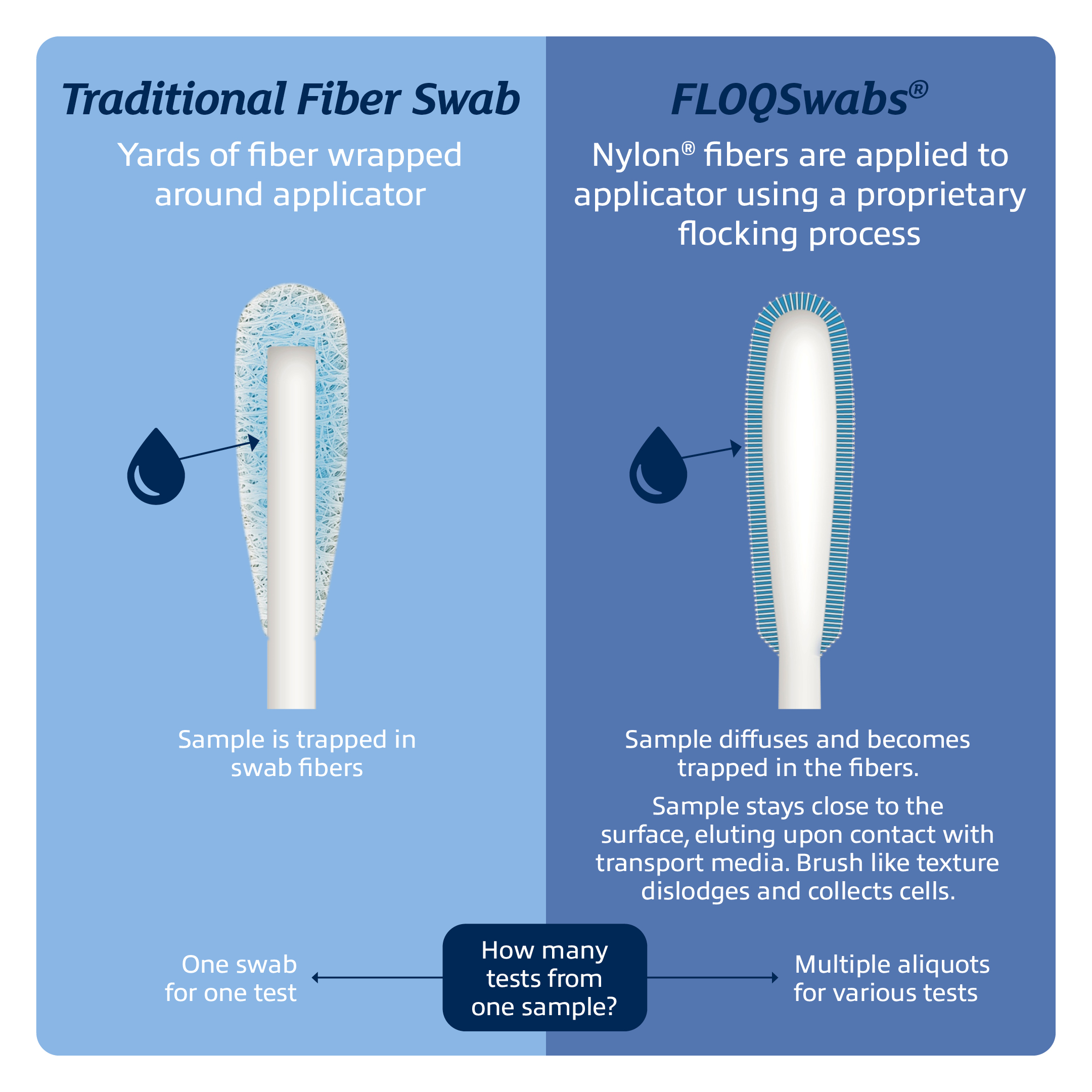
A PLoS One comparative study assessed five swab types for volume and bacterial uptake/release. Under volume-restricted conditions, only the flocked swabs released measurable volume, about 2.7 mg, while other swabs retained the entire liquid.4
Such findings emphasize that swab material and structure significantly influence the pre-analytical process. Studies have also demonstrated that flocked swabs are associated with improved recovery of epithelial cells and organisms compared to traditional swabs.3,4,5
Related story
COPAN Remembers Daniele Triva, Inventor of Flocked Swabs
Company News article
Read article →Improving Detection and Diagnostic Yield
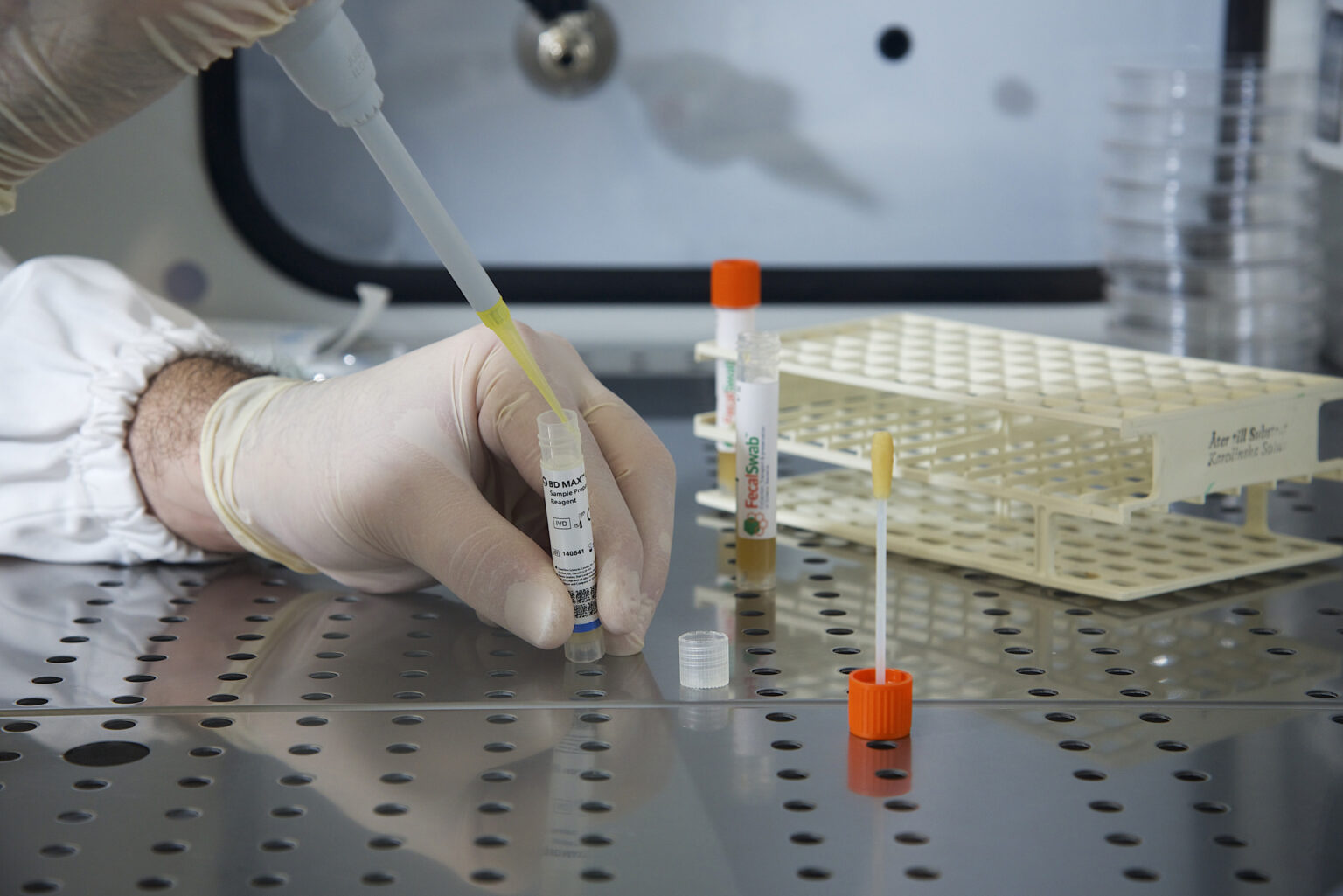
Liquid-based specimen preparation has been shown to enhance diagnostic sensitivity. In a multicenter study evaluating rectal specimens on the BD MAX™ Enteric Viral and Bacterial Panels, FecalSwab® specimens produced 99.3% and 99.5% agreement with bulk stool, respectively, and detected additional low-positive cases missed by bulk stool.8
Another study comparing FecalSwab® with traditional Cary-Blair media across multiple gastrointestinal panels demonstrated 100% concordance and concluded that the liquid format is a reliable alternative for bacterial pathogen detection.9 These studies show that suspending stool or rectal swabs in liquid not only preserves nucleic acids but may also improve detection of low-abundance pathogens.
Liquefying Challenging Specimens
While sputum and bronchial specimens are notoriously viscous and difficult to inoculate consistently, the dithiothreitol and proteolytic enzymes in SLSolution™, also known as SnotBuster™ make it easy to liquefy sputum rapidly.
A poster presented at a 2011 ASM meeting comparing this reagent to routine processing found that the liquefied sputum produced a homogeneous suspension and improved recovery of all organisms, especially Pseudomonas aeruginosa.13 Importantly, SLSolution™ does not adversely affect bacterial morphology or growth, ensuring downstream analyses remain accurate.13
Sputum workflow challenge
SnotBuster™ is designed to help turn a viscous respiratory specimen into a more manageable suspension for consistent planting, streaking, and processing.
Explore SnotBuster™ →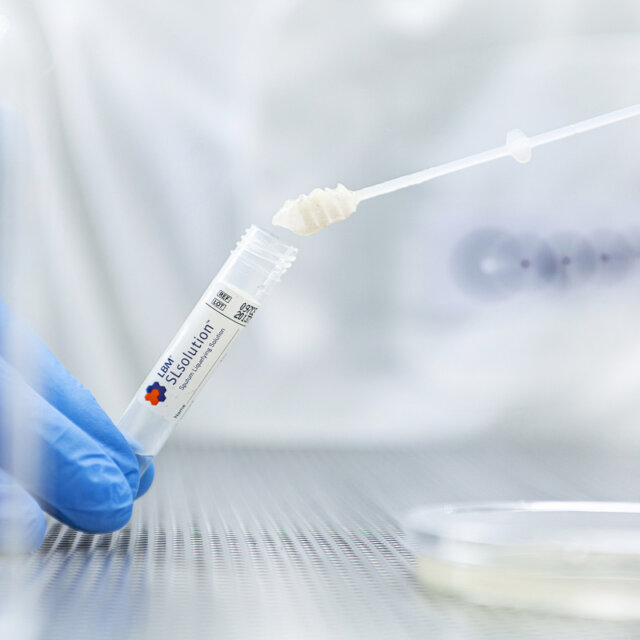
Why the Shift is Happening Now
Three converging trends make LBM adoption timely and relevant:
1. Clinical microbiology laboratories face unprecedented pressure.
Specimen volumes continue to rise, staffing shortages are prevalent, and clinicians expect rapid and comprehensive results. Studies indicate that pre-analytical errors represent the majority of laboratory errors, occurring before specimens reach the bench.1 Traditional collection methods may compound these challenges when organisms remain trapped within fiber matrices, and multiple swabs are required for different tests.
2. Pre-analytical quality considerations.
Inconsistent collection techniques, potential organism loss in fiber swabs, and degradation during transport can lead to variable specimen quality. LBM supports standardization of collection and is designed to maintain specimen integrity through transport.2,6,7
3. Evolving diagnostic demands.
Clinicians seek rapid culture and molecular results, quantitative data for monitoring infections, and preserved specimens for epidemiological testing. Traditional transport systems may not optimally support this range of assays from one collection; LBM is designed to address these needs.7,8
Pre-analytical Quality: The Hidden Key to Diagnostic Excellence
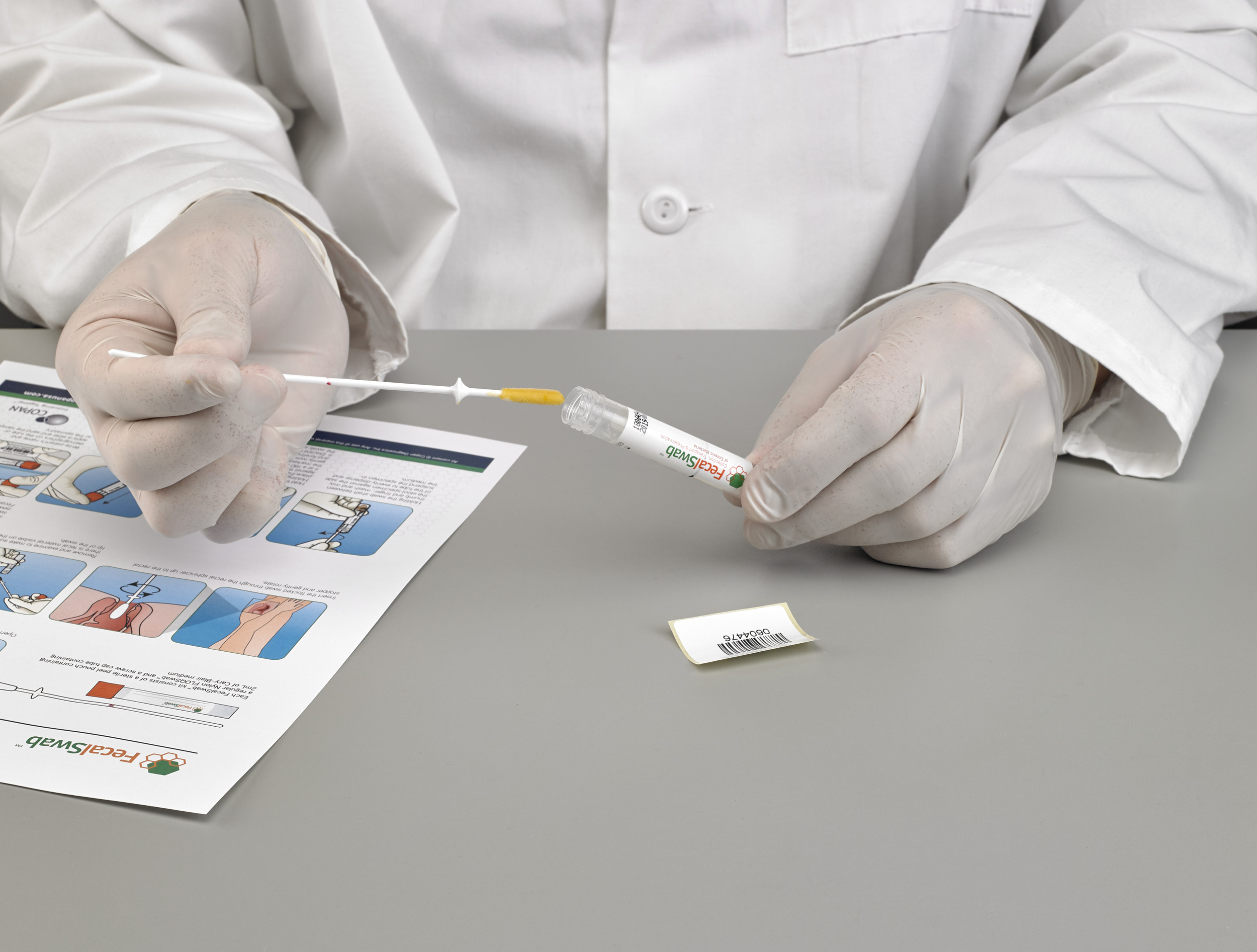
The accuracy of any test depends on the quality of the specimen. LBM is designed to support pre-analytical quality by:
- ● Standardizing collection. FLOQSwabs® provide consistent surface area and collection characteristics.3,5
- ● Supporting recovery. Studies demonstrate that flocked swabs are associated with improved release of specimens into medium compared with traditional fiber swabs.3,4,5
- ● Maintaining viability. Liquid media are designed to preserve organisms, supporting flexible processing times.6,7
- ● Creating homogeneous specimens. Liquids are homogenized to help ensure representative aliquots for downstream assays.2
Enhancing Sensitivity and Simplifying Specimen Collection
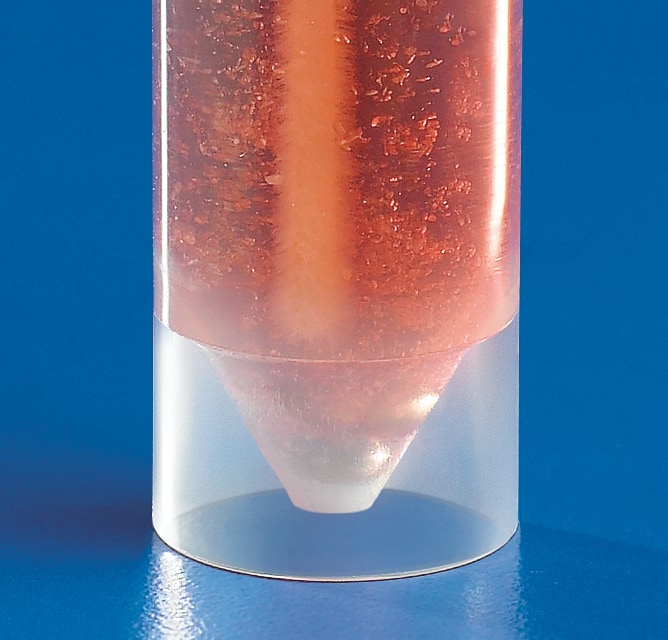
Laboratory evaluations have reported improved organism recovery when switching from gel transport to liquid systems.7,8,9,10 Studies of ESwab® demonstrate maintenance of organism viability for both aerobic and anaerobic bacteria compared with alternative transport systems.6,7
Evaluations of FecalSwab® demonstrate that rectal swabs suspended in Cary-Blair medium enhance molecular testing accuracy and simplify collection when obtaining a stool specimen is challenging.8,9,11 Flocked swabs used with universal transport medium have been associated with enhanced analytical sensitivity for molecular detection in laboratory models.12
Tailored Devices for Diverse Specimens
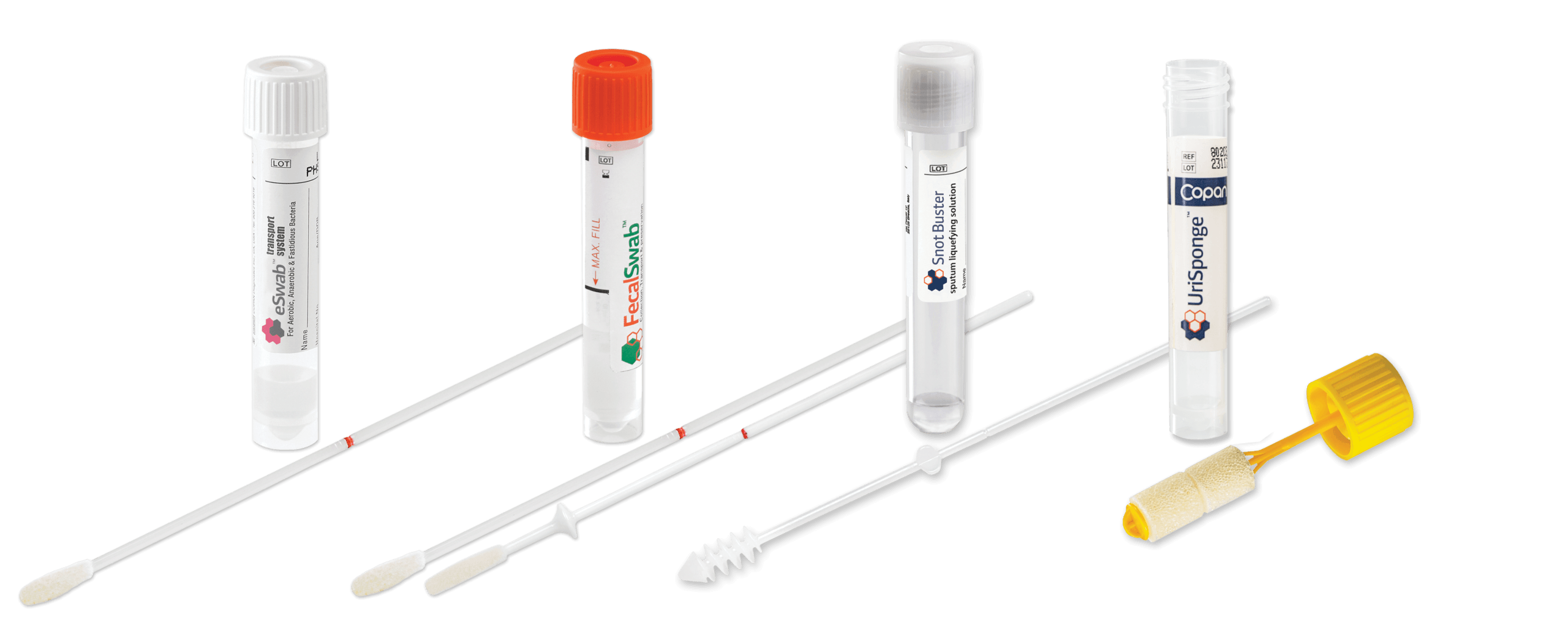
LBM encompasses a suite of devices tailored to specific specimen types:
- ● ESwab® (Liquid Amies) for general microbiology, nasal, wound, throat and urogenital specimens.
- ● FecalSwab® (Cary-Blair) for stool and rectal specimens, validated for culture and with molecular gastrointestinal panels specifying Cary-Blair transport.8
- ● SnotBuster™ / SLSolution™ for liquefying sputum or bronchial specimens, producing a homogeneous suspension and improving organism recovery compared with standard processing.
- ● UriSponge® for urine: a dip-and-collect device that uses non-toxic preservatives for urine specimen stability in a sponge matrix.
These systems demonstrate how LBM tailors the liquid approach to address the unique challenges of different specimen types while maintaining consistent underlying principles.
LBM product fit


Setting the foundation for laboratory modernization
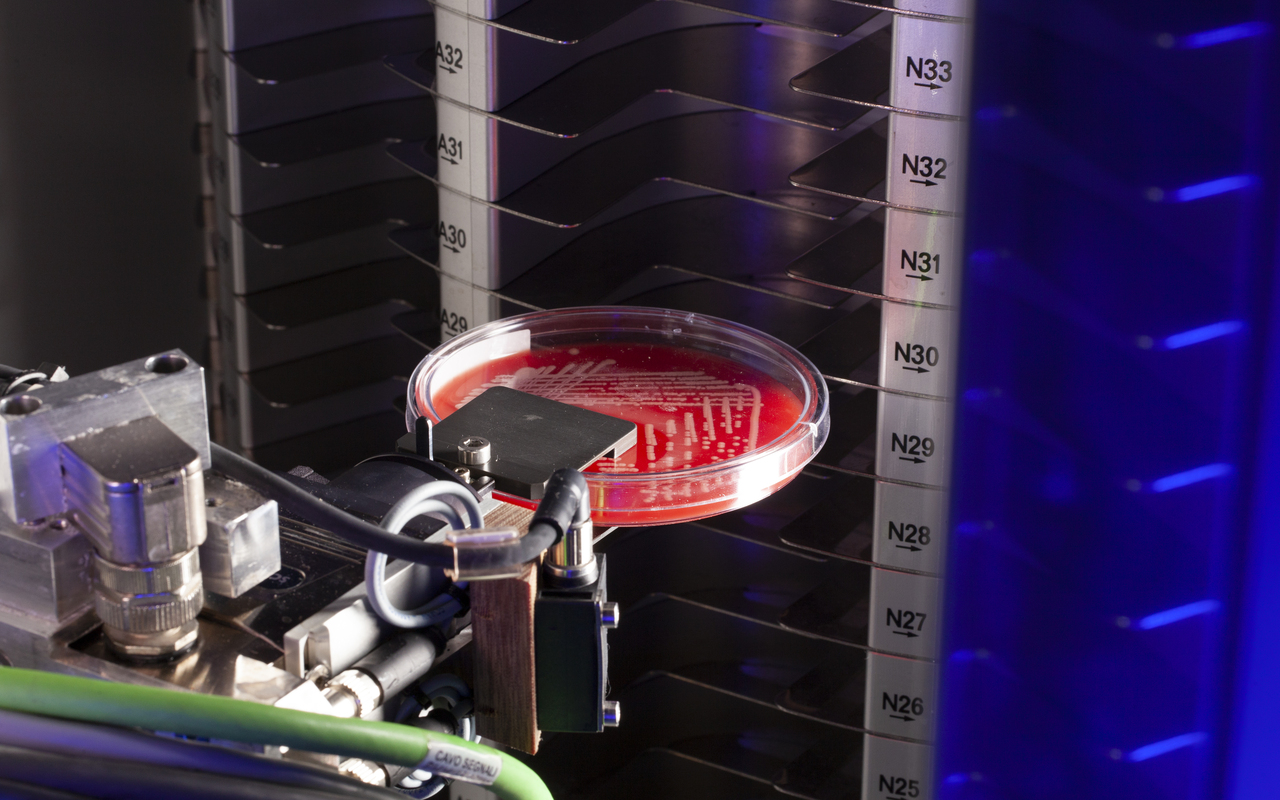
Perhaps the most transformative aspect of LBM is its compatibility with full laboratory automation (FLA). Automated processors such as the Copan WASP® require uniform liquids for precise pipetting and standardized streaking.
Digital incubators and AI-driven plate-reading software, including WASPLab® and PhenoMATRIX®, depend on consistent inoculum densities and streak patterns.
How LBM bridges collection and automation
The value of LBM is not only better specimen handling. It also helps create the liquid, standardized starting point that automated systems can process more consistently.
- ● Efficient collection: collected material is released into liquid medium.
- ● Standardized liquid: homogeneous specimens support representative aliquoting.
- ● Automation-ready: uniform liquids support robotic plating, pipetting, and standardized streaking.
Multicenter analyses show that FLA can process 50-80% of routine microbiology specimens robotically, reduce hands-on time by 20-30%, nearly halve labor costs per specimen, and increase productivity by over 40%.14 Early-read protocols for urine cultures show that 90% of urine plates are ready for interpretation by 16 hours, allowing laboratories to provide results sooner.15*
Portfolio resource
Browse the Copan Full Laboratory Automation Portfolio
Microbiology Automation & AI overview
Explore portfolio →Conclusion and Next Steps
Innovative solutions that help ensure an accurate and timely diagnosis are the key to properly treating diseases, and the critical piece of the puzzle to advancing patient care. Yet, when that journey from the laboratory to the physician is interrupted by delays or inaccuracies, the disease may progress, complications can increase, and healthcare costs will start to rise.
That’s why starting smart is crucial, and the microbiology laboratory is instrumental in ensuring that accurate results are delivered quickly and consistently. With Liquid Based Microbiology, that error-prone phase of diagnostics is converted into a standardized, high-yield process.
By pairing flocked swabs and other devices with specialized liquid media, LBM maximizes specimen release, enhances pathogen recovery, preserves viability, and enables multiple downstream tests, all while laying the groundwork for automation and AI. This paradigm shift addresses the leading source of laboratory errors and positions the microbiology laboratory to revolutionize healthcare.
FAQ
What is Liquid Based Microbiology?
Liquid Based Microbiology is an approach to specimen collection and transport that places collected material into a validated liquid medium, helping create a more standardized specimen suspension for downstream laboratory workflows.
Why does the pre-analytical phase matter?
The pre-analytical phase includes collection, transport, handling, and preparation before downstream assays begin. Standardizing this stage can help reduce variability before a specimen reaches culture, molecular, or other laboratory workflows.
Which products are part of Copan’s LBM workflow?
The LBM workflow discussed here focuses on ESwab®, FecalSwab®, SnotBuster™, and UriSponge®.
How does LBM support laboratory automation?
Liquid, homogeneous specimens can support automated pipetting, plating, streaking, incubation, imaging, and digital workflow management by giving automated systems a more consistent starting point.
Coming next in the LBM 101 series
This article is the first in a monthly series exploring Liquid Based Microbiology, diagnostic workflows, clinical perspectives, and automation readiness.
Next: LBM 101 Part 2
How LBM Enhances Diagnostic Workflows
Coming soon
Then: LBM 101 Part 3
Clinicians Love LBM: Perspectives on Liquid Based Microbiology
Upcoming
Finally: LBM 101 Part 4
Is Your Microbiology Laboratory Ready for Automation? A Workflow Efficiency Deep Dive
Upcoming
Educational note: This article is provided for educational and informational purposes only. It is not intended to diagnose disease, recommend a specific diagnostic procedure, or instruct laboratories on how to perform diagnostic activities. Always refer to product instructions for use, package inserts, validated laboratory procedures, and applicable regulatory requirements.
Related Posts
UTM-RT® Is Made in the USA, and Expanding

Molecular Specimen Transport with UTM-RT®
Respiratory Season Readiness: Swab to Assay