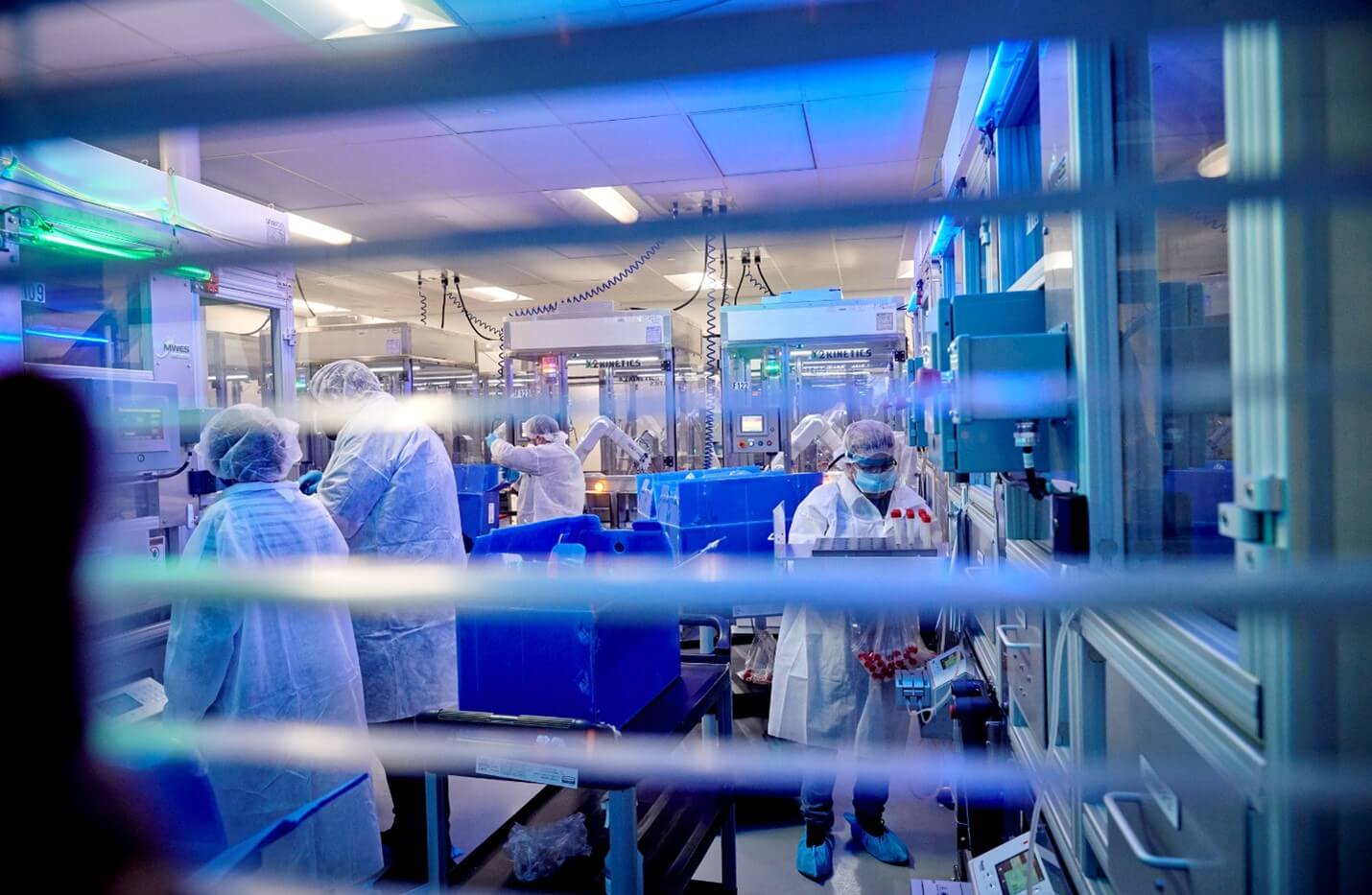

A molecular testing workflow begins before extraction or amplification. The collection device, the transport medium, the time and temperature, and the assay instructions all shape how the specimen reaches the analyzer.
UTM-RT® Universal Transport Medium™ is familiar to many laboratories. FDA 510(k) K232357 and the UTM-RT® IFU provide a documented molecular framework for upper respiratory specimen transport.[1][2]

Start with what the clearance says.
UTM-RT® is intended for the stabilization and transportation of an unprocessed upper respiratory clinical specimen suspected of containing respiratory viruses’ nucleic acids, for use with compatible molecular assays.[2]
Everything a workflow needs to respect is in that sentence, and the operative word is compatible: the assay manufacturer’s instructions decide what the medium meets at the bench, not the medium’s clearance alone.
A 96-hour processing window.
Specimens transported for respiratory viral nucleic acid investigations should be processed within 96 hours when stored at 2–25°C.[2]
The 96-hour transport window can help support routine courier schedules and weekend coverage. Because individual assay instructions may require a shorter window, both the UTM-RT® and assay documentation should be reviewed before use.
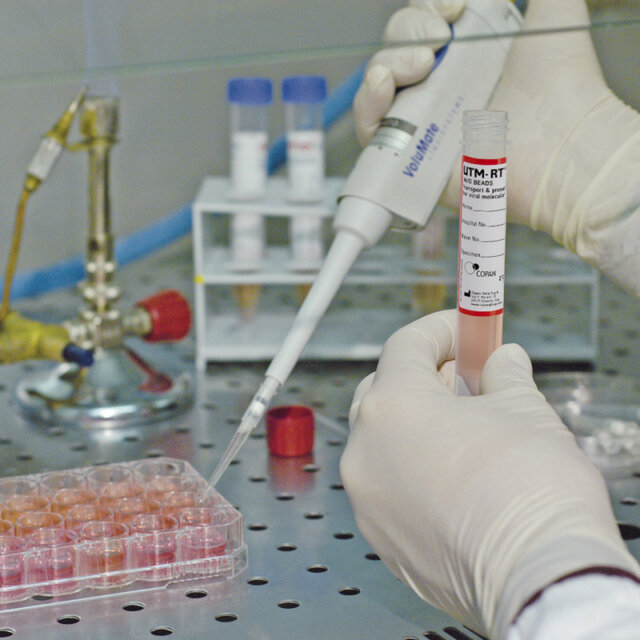
Verify compatibility at the assay level.
Instrument names are not enough. A single platform family may run several assays, each with its own accepted specimen types, media, input volumes, and processing steps. For each workflow, record the exact assay and IFU revision, the accepted upper respiratory specimen type, the accepted transport medium and any catalog-number requirement, the transfer volume or direct-load procedure, and the date the record was last reviewed. Retain the reviewed version and date in the laboratory’s compatibility record.
Reduce handling where the configuration supports it.
UTM-RT® may be incorporated into manual workflows and automated laboratory processes where validated by the user or supported by the applicable instrument manufacturer’s instructions.[3]
On Roche cobas® 5800, 6800, and 8800 systems, the workflow depends on the assay. The cobas® SARS-CoV-2 Qualitative IFU permits specimens in compatible tubes to be loaded directly after swab removal.[4] The cobas® Respiratory 4-flex IFU requires transfer and dilution in a secondary tube.[5] The platform name alone therefore does not establish a direct-load workflow.
Helpful tip: Build a compatibility record.
A simple compatibility record can help laboratories document the exact assay name and revision, specimen type, accepted medium, UTM-RT® configuration, required volume, direct-load or transfer procedure, and handling window. This creates a workflow reference the team can verify and maintain.
Pair the workflow with supply planning.
UTM-RT® is made in the USA and supplied to laboratories across North, Central, and South America. Copan announced more than $7 million in US manufacturing investments across California and Puerto Rico, including support for UTM-RT® kit production.[6]
Expanded manufacturing capacity helps support supply, but planning ahead is still important. Confirm the right UTM-RT® configuration and ordering process for your laboratory before respiratory testing volumes increase.
Get your lab prepared for the season.
Review the UTM-RT® IFU, request a sample, or contact Copan Diagnostics about configuration and compatibility.
Explore UTM-RT® →Sources
UTM-RT® Universal Transport Medium™ is intended for the stabilization and transportation of an unprocessed upper respiratory clinical specimen suspected of containing respiratory viruses’ nucleic acids and is intended for use with compatible molecular assays. Specimens transported for respiratory viral nucleic acid investigations should be processed within 96 hours when stored at 2–25°C. Applicable assay instructions may establish shorter or otherwise different specimen-handling conditions. Consult the UTM-RT® IFU and the assay manufacturer’s instructions for compatibility, collection requirements, and specific target-analyte processing directions. Product availability and configurations may vary. cobas® is a registered trademark of Roche.