
LBM® CABroth™ FAQ
Find answers to common questions about LBM® CABroth™, Copan's selective enrichment broth for Candida auris. Below you'll learn what it's used for, how it fits into culture and molecular detection workflows, incubation and storage requirements, compatible specimen collection devices, and how it supports automated processing on WASP® and WASPLab®.
Contents
- What is CABroth?
- Why is selective enrichment important for Candida auris?
- How long does LBM® CABroth™ incubation take?
- What can be done with a specimen after LBM® CABroth™ incubation?
- Can LBM® CABroth™ be used for molecular detection?
- What specimen collection devices are compatible with CABroth?
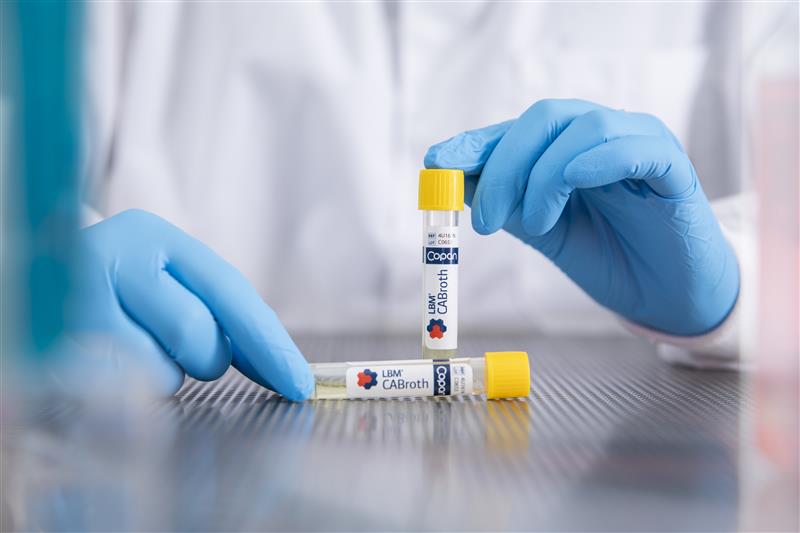
- Is LBM® CABroth™ ready to use?
- How should LBM® CABroth™ be stored?
- Is LBM® CABroth™ compatible with automation?
- Does turbidity confirm the presence of Candida auris?
- Does LBM® CABroth™ replace organism identification?
- Do You Have Other Questions about LBM® CABroth™ FAQ?
What is CABroth?
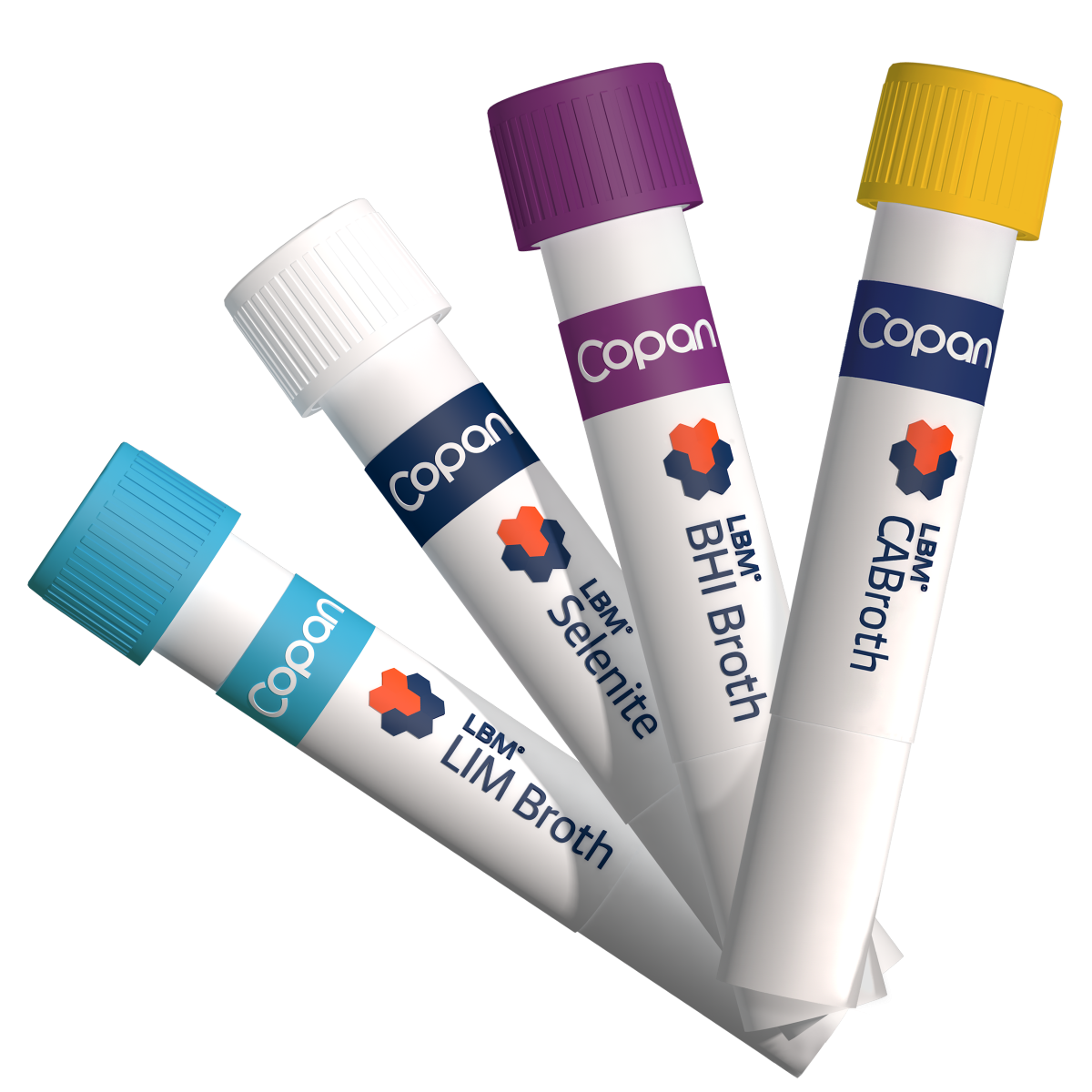
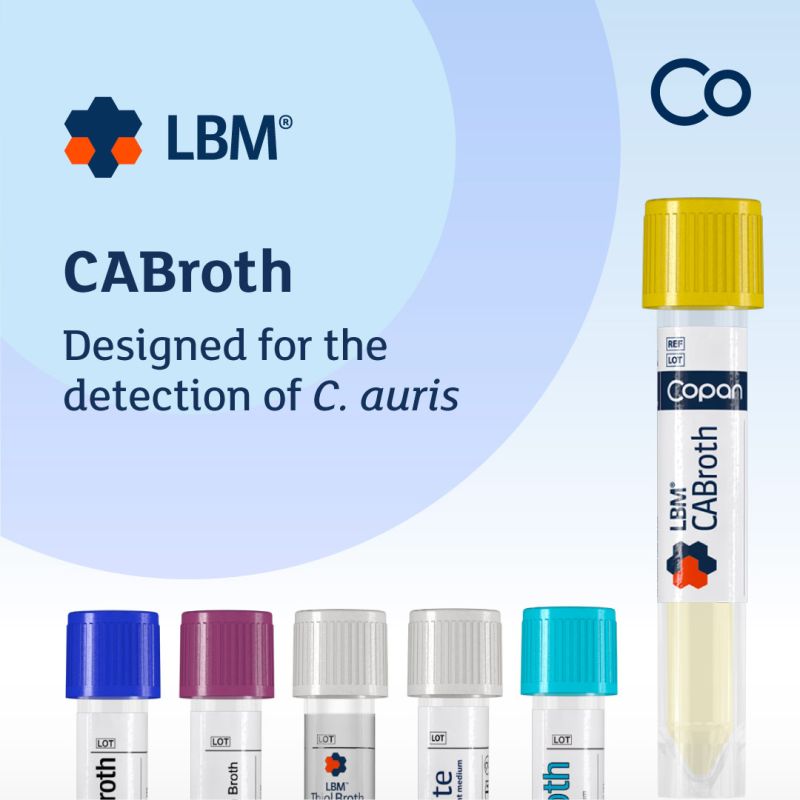
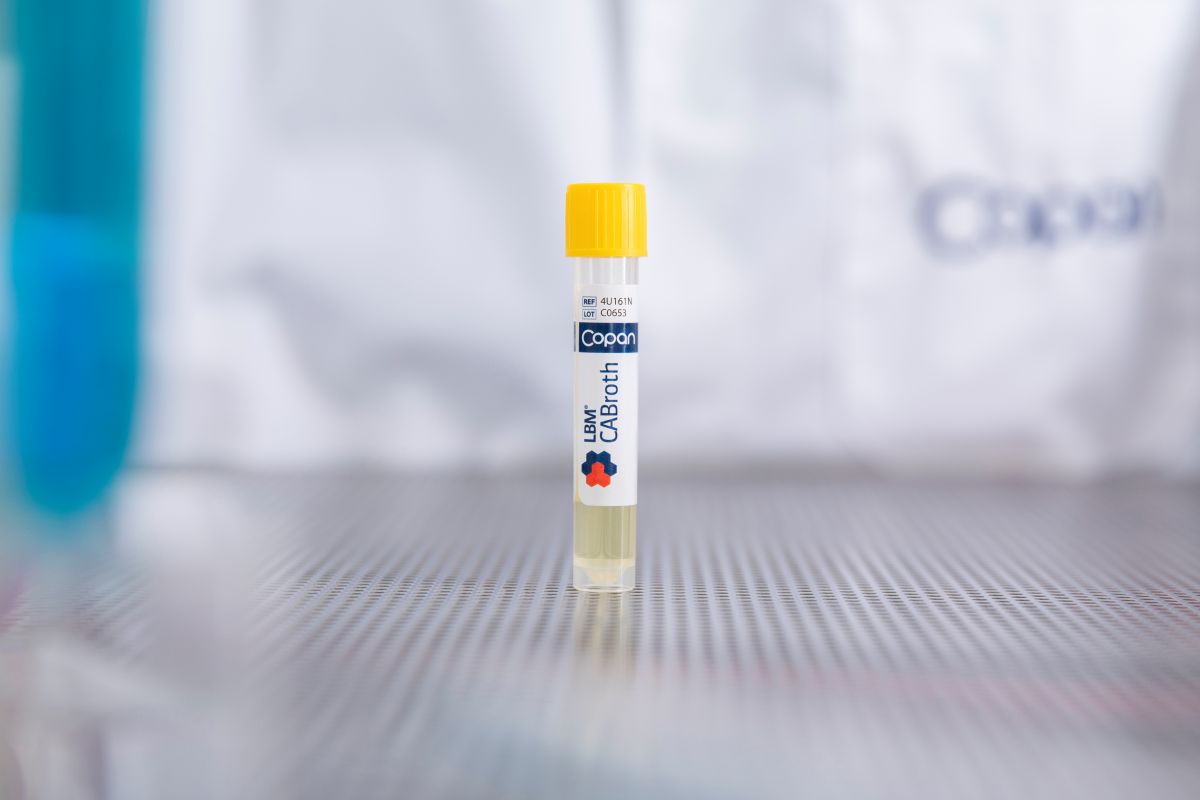
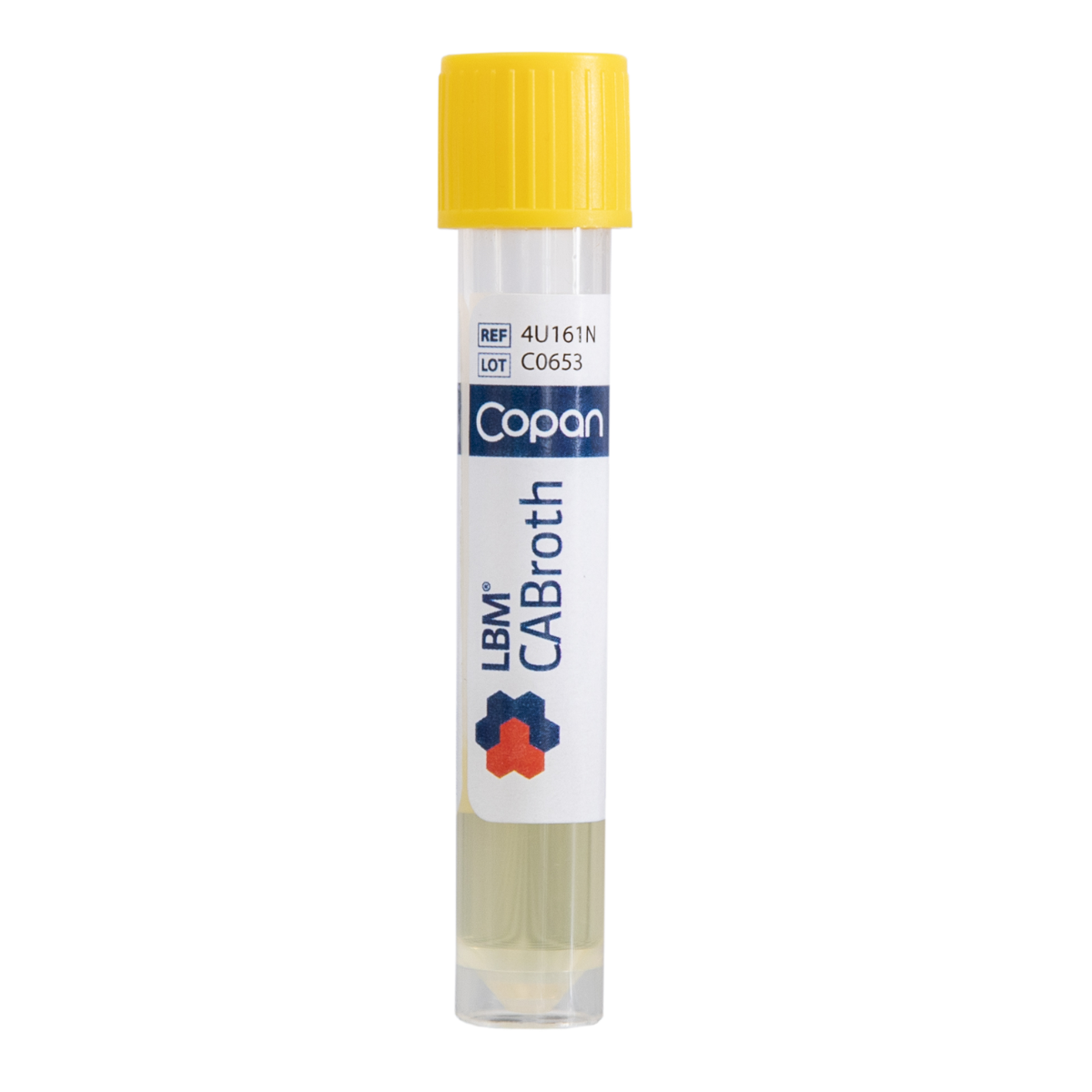
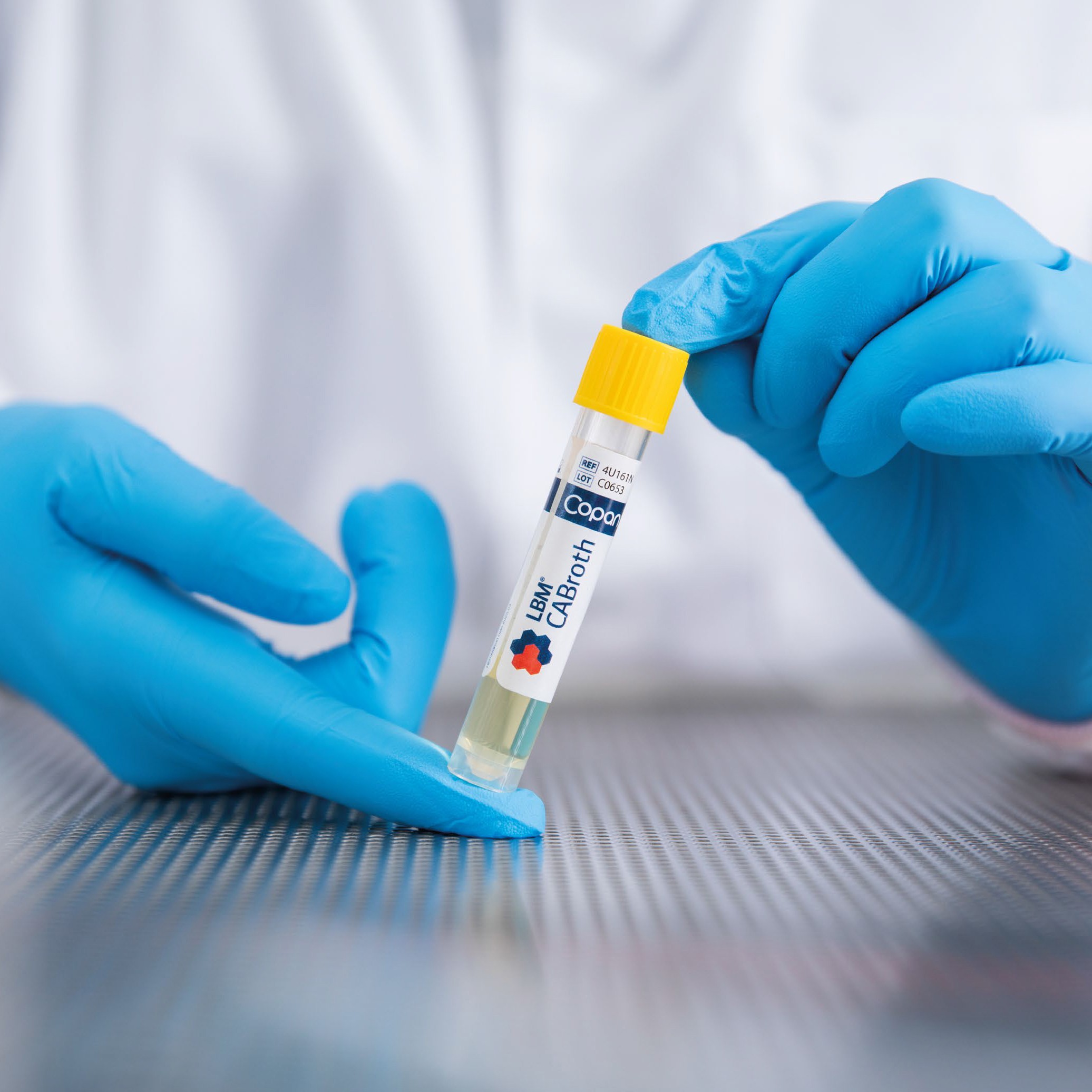
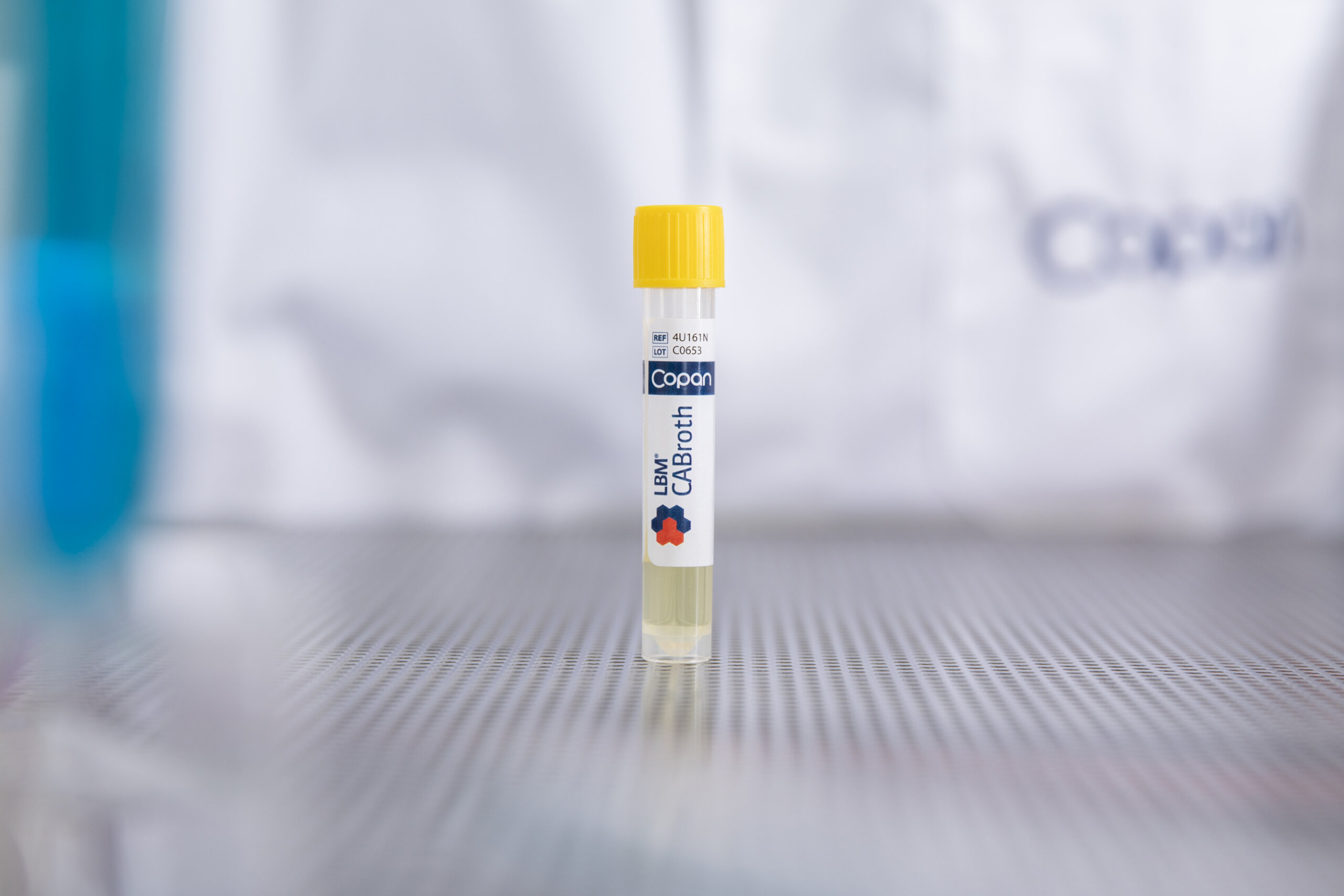
LBM® CABroth™ is Copan’s selective enrichment broth for Candida auris. It is designed to promote targeted enrichment of C. auris from clinical specimens while helping suppress other Candida species and commensal bacteria.
Why is selective enrichment important for Candida auris?
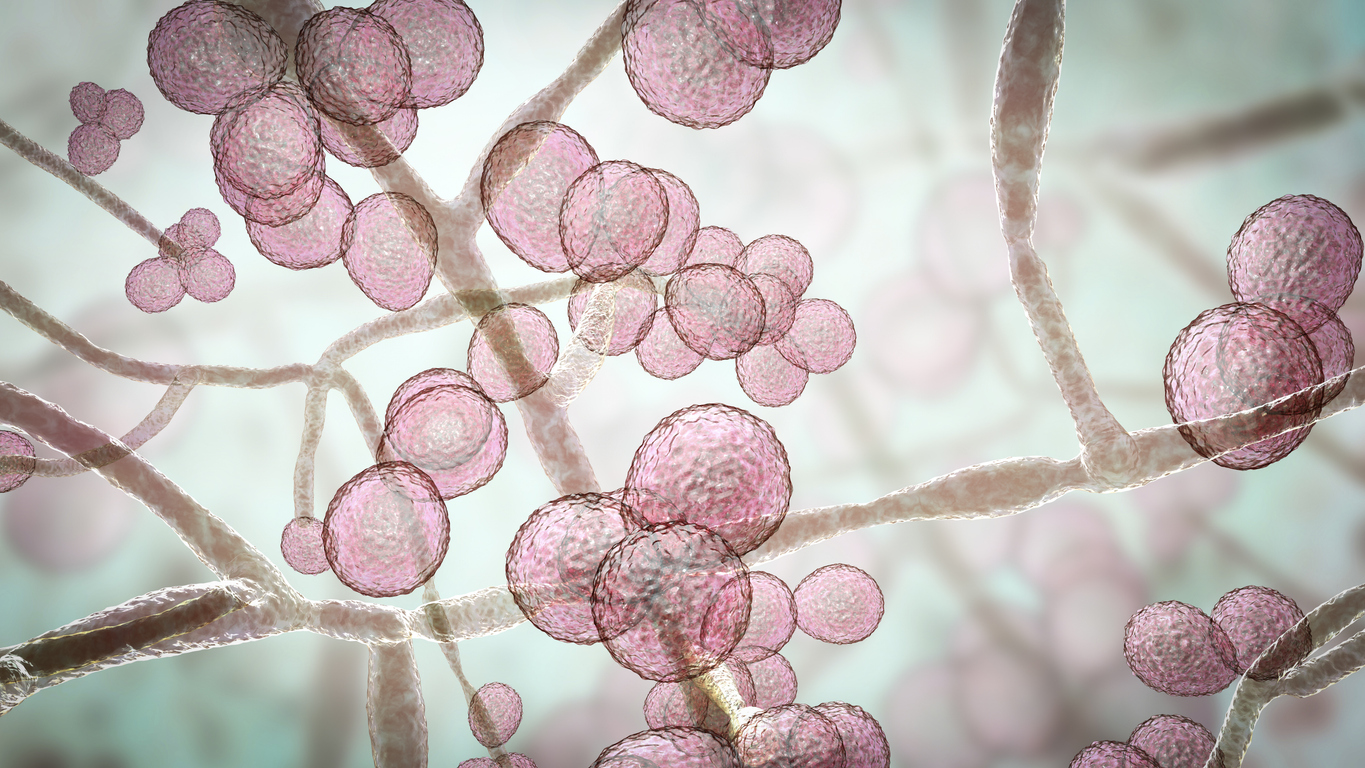
C. auris can be difficult to detect because colonized individuals may carry low fungal loads, its slow to grow, and competing microbial flora can interfere and prolong recovery with standard culture workflows. Selective enrichment helps increase the target organism load while reducing non-target overgrowth and shortens time for recovery.
How long does LBM® CABroth™ incubation take?
LBM® CABroth™ is incubated for 48 hours at 35–40 °C, preferably at 40 °C, according to product instructions.
What can be done with a specimen after LBM® CABroth™ incubation?
After incubation, an enriched LBM® CABroth™ specimen can be subcultured on either sabouraud dextrose agar or chromogenic agar media or used with compatible molecular detection workflows.
Can LBM® CABroth™ be used for molecular detection?
Yes. LBM® CABroth™ is intended for use with compatible molecular assays. Use with diagnostic kits, assays, or instrumentation should be validated by the laboratory according to internal procedures.
What specimen collection devices are compatible with CABroth?
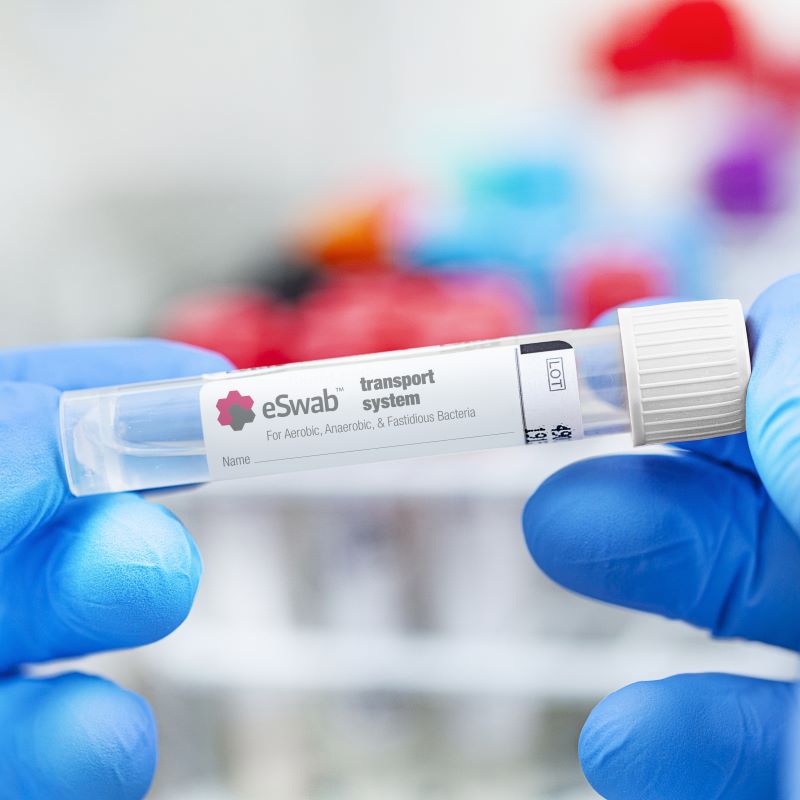
LBM® CABroth™ is designed for clinical specimens collected with Copan ESwab® or compatible Copan FLOQSwabs®. Refer to the product instructions and laboratory procedures for proper collection and transfer.
Is LBM® CABroth™ ready to use?
How should LBM® CABroth™ be stored?
LBM® CABroth™ should be transported and stored in its original container at 5–25 °C until use. Do not overheat, incubate, or freeze before using.
Is LBM® CABroth™ compatible with automation?
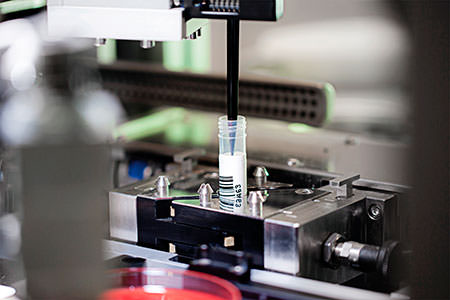
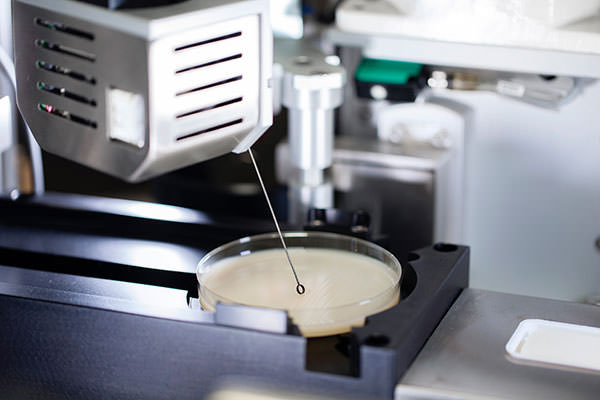
Yes. LBM® CABroth™ is designed to support automated processing with WASP® and WASPLab®. A broth module is required.
Does turbidity confirm the presence of Candida auris?
No. Turbidity does not necessarily indicate the presence of Candida auris. Laboratories should either subcuture after 48 hours on either sabouraud dextrose agar or chromogenic or use appropriate diagnostic technologies to identify microorganisms.
Does LBM® CABroth™ replace organism identification?
No. LBM® CABroth™ is an enrichment step. Enriched specimens still require appropriate downstream culture, molecular testing, or other validated identification methods.