
Full Laboratory Automation in Clinical Microbiology: Evidence, Strategy, and the Human Side of Change
April 8, 2026
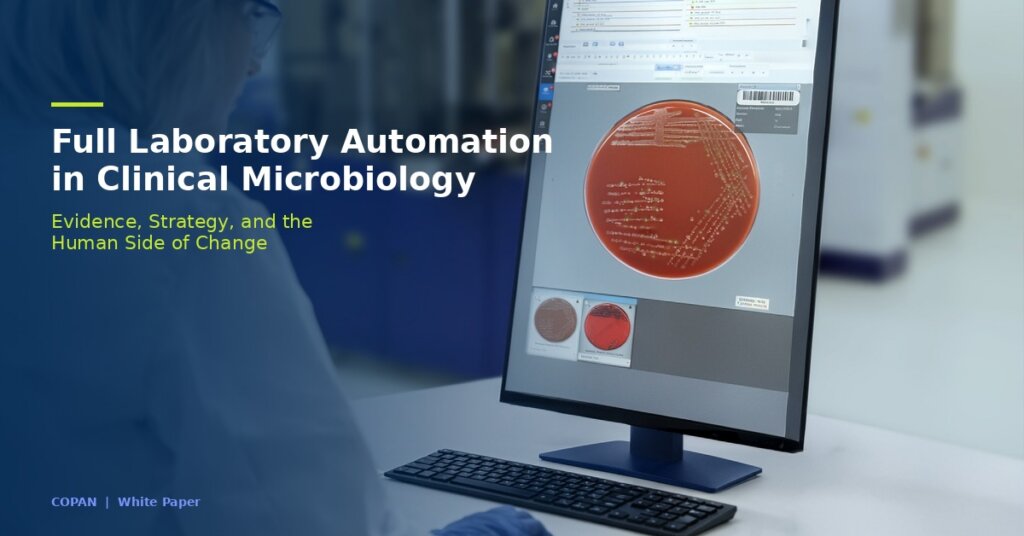
What does it take to automate a clinical laboratory? The evidence, the strategy, and the human side of the journey.
Key Takeaways
- Full Laboratory Automation is not only about technology. It also involves workflow design, implementation strategy, and guiding teams through change.
- Clinical microbiology laboratories continue to face pressure from rising specimen volumes, workforce shortages, and antimicrobial resistance.
- Key metrics for evaluating automation impact include turnaround time, full-time equivalents, productivity, and hands-on time.
- Published studies have reported measurable gains in efficiency, labor utilization, and turnaround time after automation adoption.
- The featured CoScience HUB chapter brings together leadership, AI, and evidence-focused resources to help laboratories think more seriously about where they are going and what it takes to get there.
Estimated Read Time: 6 minutes
Table of Contents
- Why Full Laboratory Automation Is a Bigger Conversation
- Why Clinical Microbiology Laboratories Are Under Pressure
- What Laboratories Should Measure Before and After Automation
- What the Evidence Shows
- Why the Human Side of Implementation Matters
- How AI Fits into the Future of Microbiology Workflows
- Explore the Chapter
Why Full Laboratory Automation Is a Bigger Conversation
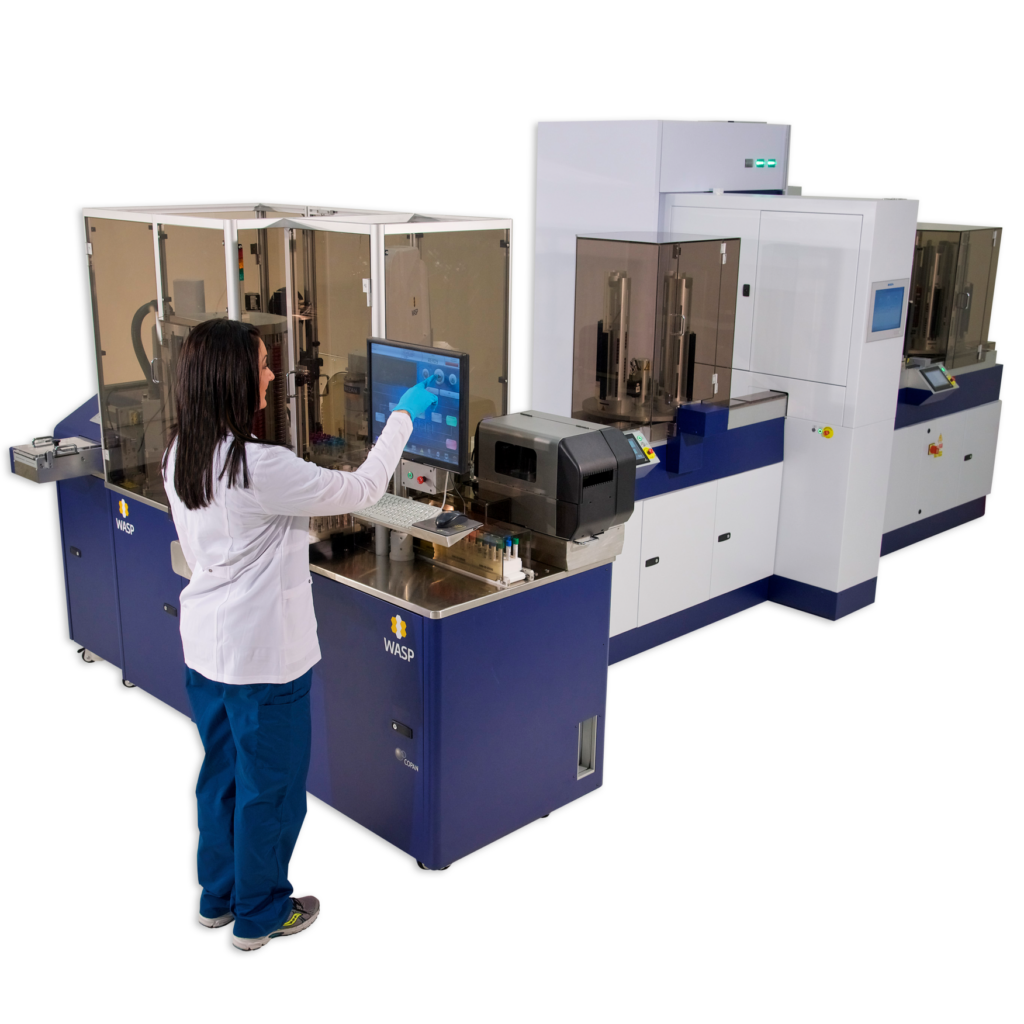
Automation is often discussed as a technical upgrade, but we can frame it more broadly: as a journey that includes planning, implementation, leadership, and long-term vision.
That is an important distinction. In real laboratory settings, automation decisions are rarely only about instruments. They are also about operational readiness, workflow redesign, staffing realities, and how to lead teams through change.
Why Clinical Microbiology Laboratories Are Under Pressure
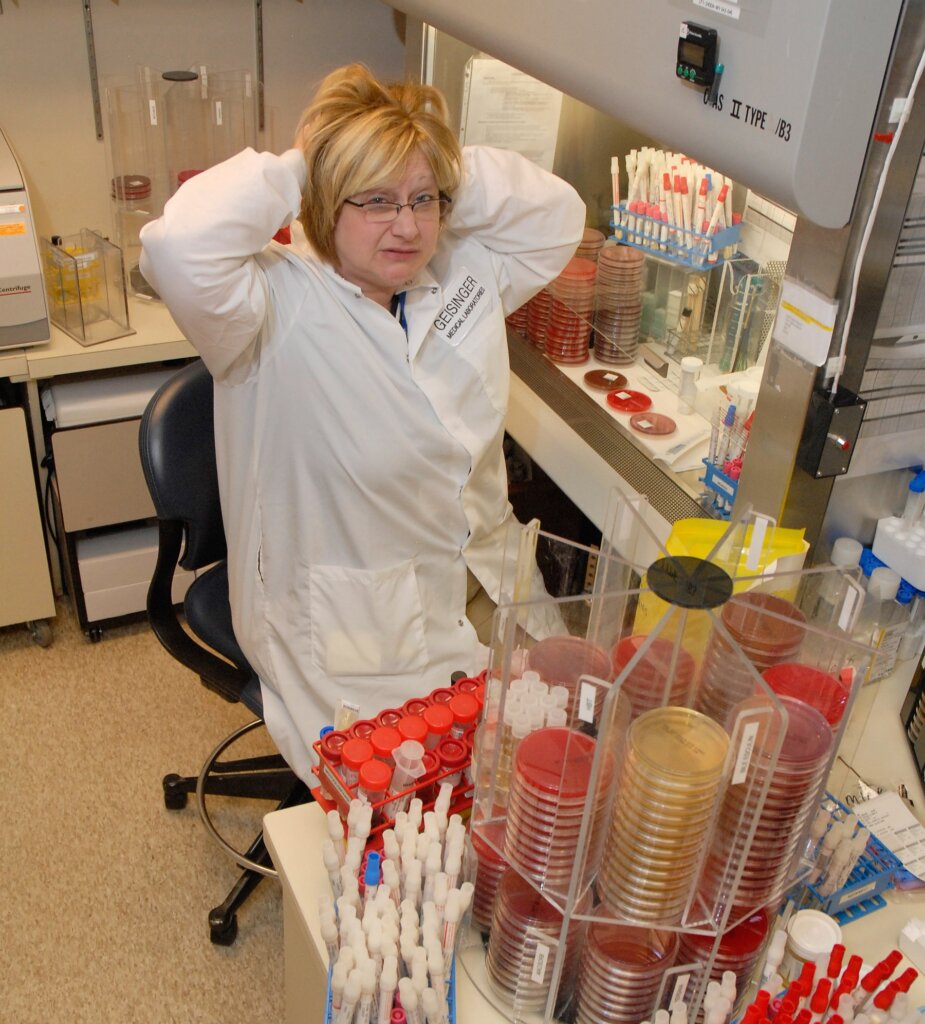
The Copan white paper places Full Laboratory Automation (FLA) in the context of increasing operational pressure on clinical microbiology laboratories, including rising specimen demand, staff shortages, and the growing burden of antimicrobial resistance.
Within that context, Full Laboratory Automation is presented as a practical strategy for reducing manual workload, improving standardization, increasing traceability, and supporting more efficient workflows.
That framing is especially useful because it moves the conversation beyond general enthusiasm for innovation and toward a more grounded question: what does a laboratory actually need to measure, plan for, and manage to make transformation work?
What Laboratories Should Measure Before and After Automation
One of the strongest elements of the white paper is its focus on measurable impact. For laboratory leaders evaluating transformation, metrics matter.
The paper highlights several commonly used ways to assess automation impact:

TAT
Turnaround Time
Elapsed time from a defined starting point to result delivery to the clinician

FTE
Full-Time Equivalents
Staffing workload measured relative to a full-time schedule

Productivity
Culture Volume Output
Volume of cultures processed or worked up relative to peak-day staffing needs

HOT
Hands-On Time
Direct operator attention required to complete a given laboratory task
Based on the metrics framework described in Culbreath et al. (2021)
The paper also points readers toward related operational and economic measures such as labor cost per specimen, FTE savings, and overall productivity change.
What the Evidence Shows
The white paper is most useful when it helps readers connect a specific automation strategy to published evidence.
One multicenter North American study by Culbreath, Piwonka, Korver, and Noorbakhsh examined pre- and post-automation performance across four microbiology laboratories and found that improved efficiencies could be realized regardless of laboratory size. Reported productivity gains ranged from 18% to 93% across sites, and the study reported FTE savings or cost avoidance ranging from 3.9 to 13.6 FTE, depending on the laboratory and workflow configuration. The study also reported reductions in labor cost per specimen and improvements in urine culture turnaround time at participating sites.[1]
Culbreath et al. (2021)
Multicenter · 4 North American laboratories · FTE, productivity, TAT, and cost
Productivity Gains
18–93%
across sites
FTE Savings
3.9–13.6
FTE saved per site
Cost Avoidance
$268K–$1.19M
per year per site
Labor Cost / Specimen
15–47%
reduction
A retrospective study from Geneva University Hospitals by Cherkaoui and colleagues compared turnaround time before and after Full Laboratory Automation for urine cultures and screening specimens for MRSA, ESBL, and VRE carriage. The authors reported substantial reductions in turnaround time for negative samples, including urine from 52.1 to 28.3 hours, MRSA screening from 50.7 to 26.3 hours, ESBL screening from 50.2 to 43.0 hours, and VRE screening from 50.6 to 45.7 hours.[2]
Cherkaoui et al. (2020)
University of Geneva · 98,000+ specimens · Negative sample turnaround time
TAT in hours for negative samples · All results p < 0.001
A third study by Fontana and colleagues, conducted during the COVID-19 period, evaluated the impact of laboratory automation on blood cultures and biological fluids at Policlinico Tor Vergata in Rome. The authors reported that turnaround time decreased from 97 hours to 53.5 hours for blood cultures and from 73 hours to 58 hours for biological fluids over the study period.[3]
Fontana et al. (2023)
Policlinico Tor Vergata, Rome · COVID-19 period · Blood cultures & biological fluids
Blood Cultures
Biological Fluids
Taken together, these studies reinforce an important point: the automation conversation is strongest when it is grounded in measurable outcomes. For laboratory leaders evaluating transformation, evidence around workflow performance, labor utilization, and turnaround time is essential.
Why the Human Side of Implementation Matters
This is where the broader chapter becomes especially valuable.
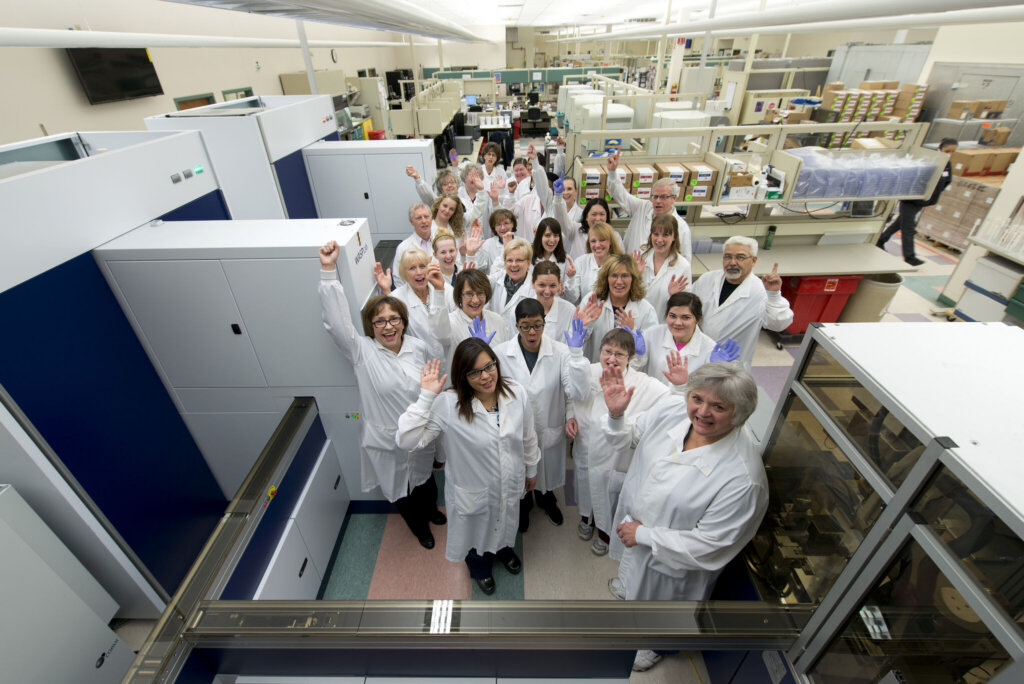
The Master Lecture, “Adapt or become extinct: leading pathology into the digital age,” is especially relevant for laboratory managers steering digital transformation. It expands the conversation beyond workflow metrics to include implementation strategy, the effect of change on staff, and what it truly takes to guide a team through transformation.
That emphasis matters because automation initiatives do not succeed on technical merit alone. New systems affect routines, expectations, communication, and culture. Even when the operational case is strong, implementation still depends on leadership and trust.
How AI Fits into the Future of Microbiology Workflows
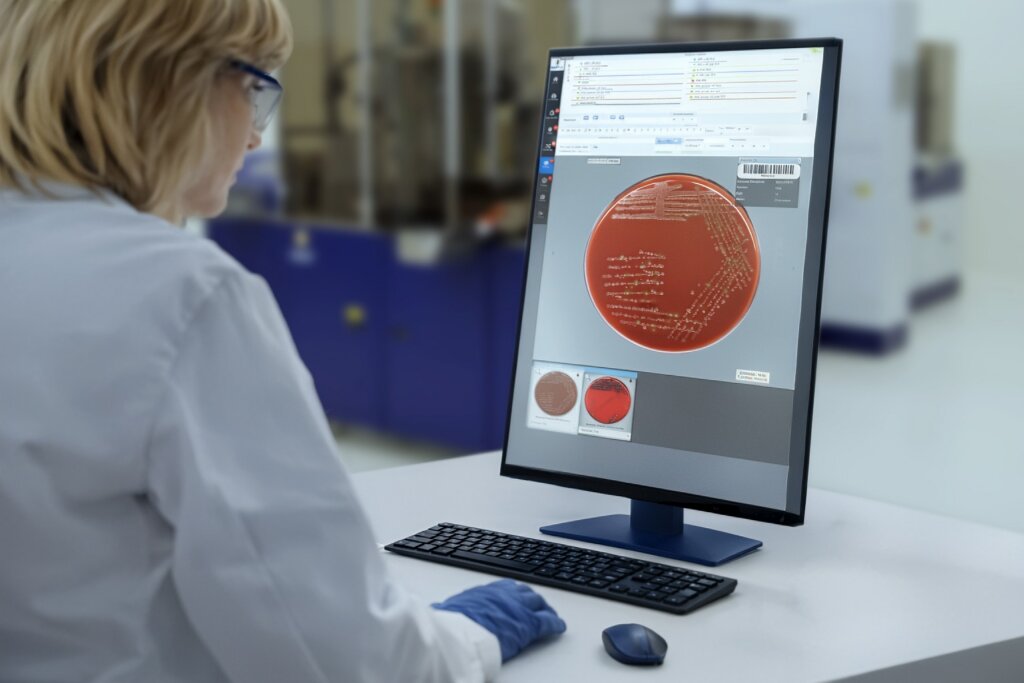
The chapter’s educational video adds another important dimension by focusing on AI as a tool that complements microbiologists rather than replacing them. That framing aligns with a broader view of automation in which technology supports clinical microbiology rather than diminishing the role of laboratory expertise.
The white paper also looks ahead to a future in which AI moves beyond a plate-centered perspective and begins integrating broader laboratory data to support diagnostic decision-making and workflow coordination.
From the Copan Diagnostics perspective, that is a meaningful distinction. AI is not presented as a substitute for microbiologists. It is presented as a tool that can help support more consistent, traceable, and scalable workflows.
Explore the CoScience HUB Chapter
Full automation, full potential: how robotics and AI are reshaping clinical microbiology

For laboratories ready to think seriously about where they are going, this chapter offers a useful combination of perspectives. The Master Lecture focuses on leadership and implementation. The educational video explores AI's role in modern microbiology. The white paper examines workflow architecture, key metrics, and published evidence.
Master Lecture
Adapt or become extinct: leading pathology into the digital age
Focus
Leadership & Implementation
Watch nowEducational Video
AI is not replacing microbiologists; it is preserving microbiology
Focus
AI & Modern Workflows
Watch nowWhite Paper
A Universal Approach for Full Microbiology Lab Automation
Focus
Metrics & Evidence
Read now
FAQs
What Is Full Laboratory Automation in Clinical Microbiology?
Full Laboratory Automation refers to an end-to-end workflow approach in which manual procedures are minimized through connected automated systems and traceable processes.
What Should Laboratories Measure When Evaluating Automation?
Common metrics include turnaround time, full-time equivalents, productivity, and hands-on time, along with related operational and economic measures such as labor cost per specimen and FTE savings.
Why Does the Human Side of Automation Matter?
Because implementation affects teams as well as workflows. Successful transformation depends not only on technology, but also on planning, leadership, and guiding staff through change.
How Is AI Presented in This Chapter?
The chapter presents AI as a tool that complements microbiologists and supports modern workflows, not as a replacement for laboratory expertise.
What Is CoScience HUB?
CoScience HUB is Copan's scientific platform, hosted by Copan Group, designed to bring together expert lectures, educational videos, and published research for laboratory professionals. It covers topics across clinical microbiology, automation, diagnostics, and beyond. Explore CoScience HUB
References
- Culbreath, K., Piwonka, H., Korver, J., & Noorbakhsh, M. (2021). Benefits Derived from Full Laboratory Automation in Microbiology: a Tale of Four Laboratories. Journal of Clinical Microbiology, 59(3), e01969-20. doi:10.1128/JCM.01969-20
- Cherkaoui, A., Renzi, G., Martischang, R., Harbarth, S., Vuilleumier, N., & Schrenzel, J. (2020). Impact of Total Laboratory Automation on Turnaround Times for Urine Cultures and Screening Specimens for MRSA, ESBL, and VRE Carriage: Retrospective Comparison With Manual Workflow. Frontiers in Cellular and Infection Microbiology, 10, 552122. doi:10.3389/fcimb.2020.552122
- Fontana, C., Favaro, M., Pelliccioni, M., et al. (2023). Laboratory Automation in Microbiology: Impact on Turnaround Time of Microbiological Samples in COVID Time. Diagnostics, 13(13), 2243. doi:10.3390/diagnostics13132243
- Lucchini, M. A Universal Approach for Full Microbiology Lab Automation: metrics, evidence, and future vision. Copan white paper.
FDA-Cleared Innovation

Related Posts
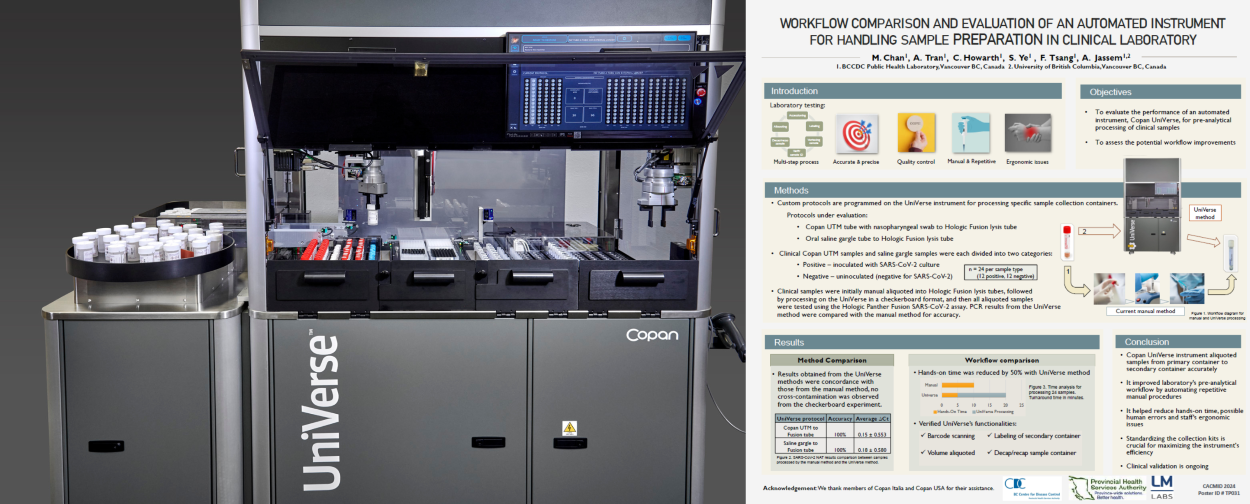
Study Presented at CACMID 2024 Highlights Copan's UniVerse® as a Game-Changer in Clinical Molecular Specimen Preparation
New Study Shows Copan's Colibrí™ Automates MALDI-TOF Sample Preparation with High Accuracy

Embracing the Future of Clinical Microbiology: A Deep Dive into Laboratory Automation